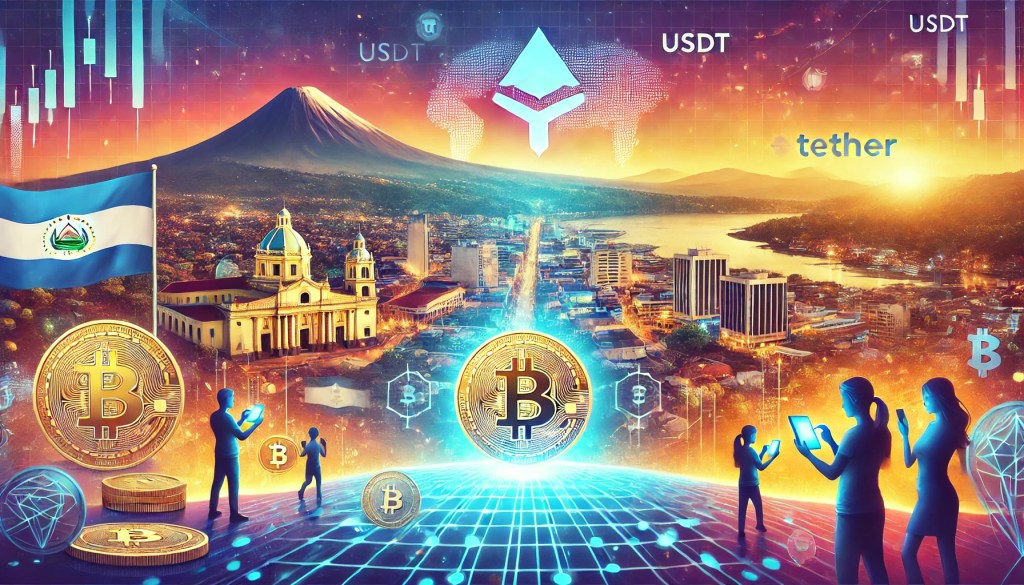
El Salvador has been making waves in the global cryptocurrency space ever since it became the first country to adopt Bitcoin as legal tender in 2021. This groundbreaking move not only positioned the nation as a trailblazer for crypto adoption but also sparked interest in how blockchain technology could revolutionise economies—especially in emerging markets.
Now, the spotlight is back on El Salvador as Tether, the issuer of USDT (the world’s largest stablecoin by market cap), relocates its headquarters to the country. This bold decision underscores El Salvador’s ambition to become a global hub for blockchain innovation and highlights the growing importance of stablecoins in fostering financial inclusion and economic resilience.
But why is Tether making this move? And why does El Salvador stand out as the perfect destination? To answer these questions, we’ll dive into the country’s crypto-friendly policies, its strategic investments in blockchain infrastructure, and how Tether’s relocation aligns with its broader vision of creating a blockchain-powered economy.
This isn’t just a corporate relocation—it’s a step toward reshaping how emerging markets interact with cryptocurrency and stablecoins.
Key Things to Know
- El Salvador is a Crypto Pioneer:
- First country to adopt Bitcoin as legal tender in 2021.
- Launched the Chivo Wallet, enabling millions of Salvadorans to make Bitcoin transactions.
- Crypto-Friendly Regulations:
- Zero capital gains tax on crypto transactions.
- Tax benefits and incentives for blockchain businesses operating in the country.
- Tether’s Relocation:
- Aligns with El Salvador’s goal of becoming a global blockchain hub.
- USDT’s stability complements El Salvador’s crypto ecosystem, particularly for unbanked populations.
- Stablecoin Potential in Emerging Markets:
- USDT provides a low-risk entry point into digital finance, making it ideal for countries with high economic volatility.
- Over 70% of El Salvador’s population remains unbanked, and stablecoins offer an accessible alternative to traditional banking.
- El Salvador’s Bold Vision:
- The government is investing in Bitcoin City, a geothermal energy-powered blockchain hub.
- It has issued Bitcoin bonds to fund infrastructure and attract global crypto businesses.
Why El Salvador is the Perfect Fit for Tether
El Salvador’s transformation into a crypto-friendly nation didn’t happen by chance. With progressive regulations, innovative infrastructure projects, and a bold embrace of blockchain technology, the country has created an environment that naturally attracts global crypto players like Tether.
Here’s why El Salvador is the perfect destination for Tether’s new headquarters and how this partnership aligns with the country’s broader vision of being a blockchain-powered economy.
El Salvador’s Crypto-Friendly Regulations and Bitcoin Adoption
In 2021, El Salvador made history as the first country to adopt Bitcoin as legal tender. This decision wasn’t just symbolic—it was a strategic move to modernise the nation’s economy, attract foreign investment, and provide its unbanked population with an alternative to traditional banking. The government’s Bitcoin Law set the stage for a legal framework that fosters innovation and encourages businesses to explore cryptocurrency adoption.
Key highlights of El Salvador’s crypto-friendly policies include:
- Zero Capital Gains Tax: Transactions involving Bitcoin or other cryptocurrencies are exempt from capital gains taxes, making the country highly appealing to both individuals and businesses.
- The Chivo Wallet Initiative: The government-backed digital wallet, Chivo, has onboarded millions of Salvadorans, allowing them to send, receive, and spend Bitcoin easily.
- Public Support for Bitcoin Infrastructure: From Bitcoin ATMs to public education campaigns, the government has been proactive in building a crypto-friendly ecosystem.
Stablecoins like USDT perfectly complement this landscape by offering stability, which is often missing in volatile cryptocurrencies like Bitcoin. Tether’s USDT can play a crucial role in enabling everyday transactions, safeguarding savings, and facilitating cross-border payments—all while integrating seamlessly with the existing Bitcoin ecosystem.
Government Incentives for Blockchain Businesses
El Salvador isn’t just “crypto-friendly” on paper—it’s actively working to attract blockchain businesses with concrete incentives. The government understands the value of a thriving crypto economy and is building an environment that encourages investment and innovation.
Key incentives for blockchain businesses include:
- Tax Exemptions: Blockchain companies enjoy zero income tax, capital gains tax, and property tax. This creates a low-cost environment for operations and helps businesses reinvest profits into growth.
- Residency and Citizenship Opportunities: Investors and entrepreneurs in the blockchain space can fast-track their residency and citizenship through investment programs, making relocation and business expansion easier.
- Support for Large-Scale Crypto Projects: The government is spearheading initiatives like Bitcoin City, a futuristic city powered by geothermal energy, designed to host blockchain companies and crypto-related ventures.
For Tether, these incentives remove operational barriers and create an opportunity to scale its impact not just in El Salvador, but across emerging markets globally. With a stable regulatory environment and active government support, Tether can focus on innovation and adoption without worrying about regulatory uncertainty.
Tether’s Relocation and El Salvador’s Vision of a Blockchain Hub
El Salvador’s goal is clear: to position itself as a global blockchain and crypto hub. From regulatory frameworks to infrastructure development, every move the government makes is geared toward realising this vision.
Tether’s relocation aligns seamlessly with this vision. Here’s why:
- Driving Stablecoin Adoption: With a population that’s largely unbanked (~70%), USDT provides a stable, accessible alternative to traditional banking systems. Tether’s presence will encourage more businesses and individuals to adopt stablecoins for everyday use.
- Strengthening Financial Inclusion: By integrating with El Salvador’s existing crypto infrastructure (like the Chivo Wallet), Tether can empower the unbanked to participate in the global digital economy. Stablecoins like USDT are particularly valuable for cross-border payments and microtransactions, which are critical for lower-income populations.
- Attracting Global Attention: Tether’s decision to move its headquarters to El Salvador will likely draw the attention of other blockchain companies. It’s a signal that El Salvador is open for business and willing to collaborate with the biggest names in the crypto industry.
- Contributing to Blockchain Innovation: With its resources and expertise, Tether is uniquely positioned to help El Salvador build a blockchain-driven economy. From supporting startups to funding education initiatives, Tether’s presence could accelerate the country’s blockchain development goals.
Key Takeaways
- Strategic Regulations: El Salvador’s legal framework—zero capital gains tax and no income tax for blockchain businesses—provides a stable environment for crypto companies.
- Proactive Incentives: With initiatives like Bitcoin City and citizenship-by-investment programs, El Salvador makes it easy for blockchain companies to establish operations.
- Tether’s Role: As the largest stablecoin issuer, Tether can bring stability and global credibility to El Salvador’s blockchain ecosystem, supporting financial inclusion and economic innovation.
The Role of USDT in Financial Inclusion
Financial inclusion has long been a challenge in emerging markets like El Salvador, where access to traditional banking systems remains limited. Stablecoins, particularly USDT, offer a lifeline by providing a secure, accessible, and low-cost alternative to outdated financial infrastructure. By leveraging blockchain technology, USDT enables Salvadorans to save, transact, and transfer money without relying on traditional banks, which are often inaccessible to large portions of the population.
Here’s how USDT plays a pivotal role in addressing the country’s financial inclusion gaps.
Bridging the Gap for the Unbanked
In El Salvador, nearly 70% of the population is unbanked—a statistic that reflects the country’s deep-rooted issues with financial accessibility (source: World Bank). For many Salvadorans, opening a traditional bank account isn’t just inconvenient; it’s often impossible due to factors like high fees, lack of documentation, and the absence of nearby banking infrastructure.
This is where USDT comes into play. As a stablecoin pegged to the US dollar, USDT eliminates the volatility typically associated with cryptocurrencies like Bitcoin, making it a much safer option for financial transactions. Here’s how it bridges the gap:
- Accessibility for All:
- Unlike traditional banks, which require formal identification or credit history, crypto wallets for USDT can be set up quickly and easily with just a smartphone and internet access.
- This gives Salvadorans a way to store, send, and receive money without the need for a bank account.
- Savings Made Simple:
- For unbanked individuals, saving money often means storing cash at home, which comes with the risk of theft or loss.
- USDT provides a stable digital alternative, allowing users to save securely without worrying about inflation or physical security risks.
- Everyday Transactions:
- With USDT, Salvadorans can make daily transactions—buying groceries, paying bills, or purchasing goods and services—using crypto wallets like Chivo or other blockchain-based apps.
- Unlike Bitcoin, which fluctuates in value, USDT maintains a consistent value equivalent to 1 USD, offering stability and predictability for users.
By giving the unbanked population access to a stable and secure financial tool, USDT is laying the foundation for broader participation in the digital economy.
USDT for Cross-Border Remittances
Remittances are a lifeline for El Salvador’s economy. In fact, they account for 24% of the country’s GDP, with Salvadorans living abroad sending billions of dollars back home each year. However, traditional remittance systems, such as Western Union or MoneyGram, come with significant drawbacks:
- High Fees: Transfer fees can range from 5% to 10% of the total amount sent, which heavily impacts lower-income families who rely on these funds.
- Long Processing Times: Transactions can take days to process, causing delays in critical financial support.
USDT solves these problems by offering a faster, cheaper, and more efficient way to send money across borders. Here’s how:
- Cutting Costs:
- Sending USDT via blockchain wallets reduces transaction fees to a fraction of a percent—saving families a significant amount of money that would otherwise be lost to remittance providers.
- Speed of Transfers:
- USDT transactions on blockchain networks are near-instantaneous, taking just seconds or minutes, as opposed to the days required by traditional banking systems.
- Ease of Access:
- Recipients in El Salvador can instantly convert USDT into local currency or use it directly for transactions through apps like the Chivo Wallet or other exchanges.
- Transparency and Security:
- Blockchain technology ensures that transactions are traceable and secure, reducing the risk of fraud or mismanagement often associated with traditional remittance methods.
For example, if a Salvadoran worker in the U.S. sends $100 worth of USDT to their family back home, the family can receive the funds within minutes and use it for daily expenses without losing a significant percentage to transfer fees. This efficiency not only benefits individual families but also strengthens the overall economy by keeping more money in the hands of local communities.
Key Takeaways
- Bridging the Unbanked Gap:
- With 70% of the population unbanked, USDT offers a stable, accessible, and efficient way for Salvadorans to save and transact without relying on traditional banks.
- Revolutionising Remittances:
- Remittances account for 24% of El Salvador’s GDP, and USDT significantly reduces fees and speeds up transfers, providing families with more money, faster.
- Empowering Financial Inclusion:
- USDT removes the barriers of traditional finance, enabling Salvadorans to store value, conduct transactions, and participate in the digital economy with just a smartphone.
How Crypto Faucets Can Boost Stablecoin Adoption in Emerging Markets
In emerging markets like El Salvador, crypto faucets are proving to be an effective tool for driving stablecoin adoption. These platforms provide a low-risk, hands-on way for users to familiarise themselves with cryptocurrencies like USDT (Tether) by offering small amounts of crypto as rewards for completing simple tasks.
Faucets don’t just distribute micro-rewards—they also educate users about blockchain technology, digital wallets, and stablecoin transactions in an engaging and interactive way. For regions with a large unbanked population and low levels of financial literacy, crypto faucets are a gateway to the broader world of digital finance.
What Are Crypto Faucets and How Do They Work?
Crypto faucets are platforms or apps that reward users with small amounts of cryptocurrency for performing specific actions. These actions can include:
- Completing quizzes or surveys.
- Watching educational videos about blockchain.
- Playing games or engaging with interactive content.
- Referring friends to the platform.
The concept is simple: users get rewarded with tiny amounts of crypto (in this case, USDT) for their participation. These micro-rewards are often deposited directly into the user’s wallet, allowing them to experience using crypto firsthand without needing to make an upfront investment.
For many users, faucets serve as a stepping stone to learning about cryptocurrencies and eventually participating in the broader blockchain ecosystem.
Crypto Faucets as Onboarding Tools
One of the biggest barriers to crypto adoption in emerging markets is a lack of understanding about how cryptocurrencies work. Many people in regions like El Salvador have never interacted with digital wallets or blockchain-based transactions. Crypto faucets simplify this onboarding process by providing users with a hands-on, practical introduction to stablecoins like USDT.
Here’s how faucets act as powerful onboarding tools:
- Building Trust Through Micro-Rewards:
- Faucets reward users with small amounts of USDT, giving them a risk-free way to learn about cryptocurrencies without investing their own money.
- Receiving even a small reward builds trust in the system, as users experience firsthand how crypto wallets work and how transactions are processed.
- Practical Education About Wallets and Transactions:
- Tasks on crypto faucets are designed to teach users key blockchain skills, such as setting up a wallet, receiving funds, and making transactions.
- This hands-on learning is far more effective than theoretical explanations, especially for users new to the world of crypto.
- Encouraging First-Time Usage:
- By rewarding users with USDT, faucets remove the psychological barrier of making a first purchase or transaction with crypto.
- This encourages users to experiment with sending, receiving, and spending stablecoins in real-world scenarios.
For example, a faucet could reward users with $1 worth of USDT for completing a 5-minute quiz about how stablecoins work. This small but meaningful reward introduces the user to blockchain technology while building confidence in using digital wallets.
Gamification in Crypto Faucets
One of the most effective strategies for retaining users on crypto faucet platforms is gamification. By integrating game-like elements into the user experience, faucets make earning and learning about crypto fun, interactive, and highly engaging.
Gamification works because it taps into human psychology, rewarding users for their efforts with incentives like achievements, progress tracking, and social competition. Here’s how gamified crypto faucets drive adoption:
- Daily Rewards:
- Faucets offer daily login rewards or streak bonuses to encourage consistent participation.
- This keeps users returning to the platform, creating a habit of engaging with cryptocurrencies like USDT.
- Quizzes and Challenges:
- Users can complete educational quizzes or interactive challenges to earn USDT rewards.
- These tasks serve a dual purpose: teaching users about blockchain technology while incentivising them to stay engaged.
- Community Leaderboards and Competitions:
- Many faucets introduce leaderboards where users can compete for top spots and earn additional rewards.
- This fosters a sense of community and drives social engagement, which boosts retention rates.
- NFT Incentives:
- Some platforms reward users not only with crypto but also with collectable NFTs (non-fungible tokens) that can have sentimental or monetary value.
- These unique rewards add an extra layer of excitement for users.
Case Study: Axie Infinity’s Gamified Onboarding Model
A real-world example of how gamification can drive crypto adoption is Axie Infinity, a blockchain-based play-to-earn game. At its peak, Axie Infinity onboarded millions of users—40% of whom were based in the Philippines—by rewarding them with cryptocurrency for playing the game.

Here’s why Axie Infinity succeeded:
- Accessible Rewards: Players earned small amounts of crypto that could be easily converted into fiat currency or other digital assets.
- Community Engagement: Leaderboards, team battles, and in-game rewards created a vibrant and engaging community.
- Educational Impact: By playing the game, users learned how to set up wallets, manage transactions, and interact with blockchain networks.
Crypto faucets can adopt similar gamified strategies to boost USDT adoption in El Salvador and other emerging markets. By combining education with entertainment, faucets make learning about stablecoins not only easy but also enjoyable.
Key Takeaways
- Low-Risk Onboarding:
- Crypto faucets provide a simple and risk-free way for users to familiarise themselves with USDT and blockchain technology.
- Gamification Drives Engagement:
- Daily rewards, quizzes, leaderboards, and NFT incentives keep users engaged and excited about earning and learning.
- Building Confidence:
- By rewarding users with small amounts of USDT, faucets build trust and confidence, encouraging further exploration of the crypto ecosystem.
- Proven Success Models:
- Gamified platforms like Axie Infinity demonstrate the potential of interactive earning models to onboard millions of users to blockchain-based technologies.
Integrating DeFi with Stablecoin Faucets
Crypto faucets have evolved far beyond their original purpose of simply distributing small crypto rewards. With the rise of decentralised finance (DeFi), faucets are transforming into powerful tools that not only onboard new users into the crypto ecosystem but also provide opportunities for users to earn passive income and participate in advanced DeFi functionalities. By incorporating features like staking and liquidity pooling, faucets are empowering users to maximise the value of their rewards and engage more deeply with the blockchain economy.
Here’s how faucets are evolving to include DeFi features and what this means for stablecoin adoption.
Staking and Passive Income
One of the most significant advancements in faucet technology is the integration of staking—a process where users lock up their crypto holdings to earn rewards over time. For users earning small amounts of USDT through faucets, staking offers a simple way to grow their earnings without needing advanced knowledge or significant capital investment.
Here’s how it works:
- Earning Rewards Beyond Faucets:
- Users can take the USDT they’ve earned through faucets and stake it in DeFi protocols or staking platforms.
- By doing so, they contribute to the security and efficiency of blockchain networks or liquidity pools and, in return, earn rewards (e.g., additional USDT or other tokens).
- Accessible Passive Income:
- Staking is a low-barrier entry point for users to earn passive income, even if their initial faucet rewards are small.
- For example, staking $10 worth of USDT in a protocol offering an annual percentage yield (APY) of 8% would generate $0.80 over a year—significant for those starting from micro-rewards.
- Encouraging Long-Term Engagement:
- Staking incentives keep users engaged within the DeFi ecosystem, encouraging them to hold their USDT rather than immediately withdrawing or spending it.
- As users grow more comfortable with staking, they’re more likely to explore other advanced DeFi tools.
For Salvadorans and other users in emerging markets, staking represents a powerful way to turn faucet rewards into a sustainable income stream—one that compounds over time with little effort.
Liquidity Pools and DeFi Tools
Beyond staking, crypto faucets are integrating with DeFi platforms to enable users to contribute their rewards to liquidity pools or participate in other DeFi activities like lending and yield farming. These advanced functionalities allow users to multiply their micro-rewards while directly supporting the decentralised finance ecosystem.
Here’s how faucet users can leverage liquidity pools and other DeFi tools:
- Pooling Rewards for Higher Returns:
- Users can deposit their earned USDT into liquidity pools, where their funds are paired with other assets to provide liquidity for decentralised exchanges (DEXs).
- In return, users earn a share of the transaction fees generated by the DEX, as well as potential rewards in the platform’s native tokens.
- Example:
- A user earns $5 of USDT through a faucet and deposits it into a USDT/DAI liquidity pool on a platform like Uniswap. Over time, they earn fees and token rewards proportional to their contribution.
- Lending for Passive Interest:
- Users can lend their USDT to DeFi protocols like Aave or Compound, earning interest from borrowers who use their funds.
- This system turns faucet rewards into a reliable source of passive income, with interest rates that often outperform traditional banking systems.
- Yield Farming:
- Yield farming involves depositing USDT into DeFi protocols that offer high APYs in exchange for locking up funds.
- By farming yields, users can grow their small faucet rewards into more substantial amounts over time.
- Educational Opportunity:
- Faucets that integrate DeFi tools often include tutorials and guides, helping users learn how to interact with these platforms safely and effectively.
- This not only builds confidence but also introduces users to the broader possibilities of decentralised finance.
For instance, Salvadorans earning USDT through faucets could pool their rewards into DeFi platforms to generate consistent income. Over time, these micro-rewards could become a meaningful financial asset, bridging the gap between crypto experimentation and economic empowerment.
Why DeFi Integration Matters for Emerging Markets
The integration of DeFi tools into faucets has the potential to transform the financial lives of people in emerging markets. For Salvadorans earning small rewards through faucets, the ability to stake, lend, or pool their USDT creates a pathway to financial inclusion and wealth-building opportunities that traditional systems don’t offer.
By unlocking access to DeFi, faucets empower users to:
- Maximise their earnings: Even small amounts of USDT can grow significantly through staking and yield farming.
- Participate in the broader blockchain economy: Users move from earning rewards to engaging with advanced DeFi platforms, becoming active participants in the crypto ecosystem.
- Achieve financial independence: DeFi tools provide Salvadorans with a self-directed way to manage and grow their assets, free from the limitations of traditional banks.
Key Takeaways
- From Micro-Rewards to Passive Income:
- Faucets now allow users to stake their USDT earnings, generating passive income and encouraging long-term engagement with the DeFi ecosystem.
- Leveraging Liquidity Pools and Lending Platforms:
- Faucet users can contribute to DeFi liquidity pools, earn transaction fees, or lend their USDT for additional income.
- Financial Empowerment in Emerging Markets:
- By integrating DeFi functionalities, faucets provide Salvadorans and other emerging market users with tools to maximise their earnings and participate in decentralised finance.
- Bridging the Gap Between Earning and Growing:
- DeFi integration allows users to transform small faucet rewards into larger financial opportunities, fostering economic empowerment at the grassroots level.
Tether’s Role in El Salvador’s Blockchain Ecosystem
Tether’s decision to relocate its headquarters to El Salvador is more than a business move—it’s a strategic partnership that aligns with the country’s mission to become a global leader in blockchain innovation. By leveraging its expertise as the issuer of the world’s most widely used stablecoin, USDT, Tether can play a critical role in advancing El Salvador’s blockchain ecosystem and empowering its population.
Here’s how Tether can drive growth and adoption through education, business collaboration, and government-backed initiatives.
Educational Initiatives on Blockchain and USDT Use Cases
Blockchain technology and stablecoins are still relatively new concepts for many people in El Salvador. While the government’s introduction of Bitcoin as legal tender in 2021 was a bold step forward, much of the population remains uncertain about how to effectively use and benefit from these digital tools.
Tether can address this gap by launching educational programs designed to:
- Demystify Blockchain Technology:
- Tether can organise workshops, webinars, and in-person training sessions to teach Salvadorans about blockchain fundamentals, how USDT works, and how it fits into the broader crypto ecosystem.
- Promote Financial Literacy:
- Education campaigns can focus on practical skills like setting up and managing crypto wallets, understanding the value of stablecoins, and using USDT for everyday transactions.
- This could be particularly impactful for unbanked populations who have limited experience with traditional financial systems.
- Collaborate with Schools and Universities:
- Partnering with educational institutions to introduce blockchain technology as part of the curriculum could help nurture the next generation of blockchain developers, entrepreneurs, and users.
By empowering Salvadorans with knowledge, Tether can build trust and confidence in USDT while fostering widespread adoption.
Collaborating with Businesses to Integrate USDT Payments
For stablecoins like USDT to thrive in El Salvador, they must be seamlessly integrated into the local economy. Tether can accelerate this process by partnering with businesses to enable USDT payments for goods and services.
- Onboarding Local Merchants:
- Tether can work with small businesses, retailers, and service providers to integrate USDT as a payment option.
- This could include providing simple point-of-sale (POS) systems or wallet apps that make accepting USDT transactions fast and easy.
- Enhancing Cross-Border Trade:
- Stablecoins like USDT are ideal for cross-border commerce, as they eliminate the currency exchange fees and delays associated with traditional banking systems.
- By facilitating USDT adoption among exporters and importers, Tether can help Salvadoran businesses expand their reach into global markets.
- Building Corporate Partnerships:
- Collaborating with larger companies, such as utility providers or telecom operators, to accept USDT for bill payments can normalise its use in everyday life.
- Incentives for Early Adoption:
- Offering incentives, such as discounted transaction fees or promotional rewards for merchants who adopt USDT, can drive faster adoption at the grassroots level.
Through these efforts, Tether can create a vibrant USDT payment ecosystem, making stablecoins a mainstream option for Salvadoran consumers and businesses alike.
Supporting Government-Backed Projects in Remittance and Public Finance
El Salvador’s reliance on remittances, which make up 24% of its GDP, and its ongoing efforts to modernise public finance create a unique opportunity for Tether to collaborate with the government on impactful projects.
Here’s how Tether can contribute:
- Revolutionising Remittance Systems:
- By partnering with the government to integrate USDT into remittance platforms, Tether can make cross-border transfers faster, cheaper, and more efficient.
- Salvadorans living abroad could use USDT to send money home at a fraction of the cost charged by traditional remittance providers.
- Example: A $100 remittance sent via USDT could incur fees of less than 1%, compared to the 5–10% fees typical of services like Western Union.
- Enhancing Public Financial Services:
- Tether can collaborate with the government to introduce stablecoin-based solutions for public services like tax collection, welfare distribution, and payroll management.
- Using USDT in these systems ensures greater efficiency, transparency, and security in the management of public funds.
- Integrating USDT into Bitcoin City:
- The government’s ambitious Bitcoin City project could benefit from Tether’s involvement by incorporating USDT as a foundational payment and transaction currency within the city.
- USDT’s stability complements Bitcoin’s volatility, making it an ideal pairing for a blockchain-driven urban ecosystem.
- Boosting Financial Inclusion Through Government Channels:
- Tether can support the rollout of crypto education programs through government-backed channels, ensuring that even rural and unbanked populations are included in the country’s blockchain transformation.
By aligning itself with government-led initiatives, Tether can reinforce its role as a trusted partner in El Salvador’s blockchain journey while delivering tangible benefits to its citizens.
Key Takeaways
- Education as the Foundation:
- Tether can empower Salvadorans with blockchain and stablecoin knowledge through workshops, financial literacy programs, and partnerships with schools and universities.
- Business Integration Drives Adoption:
- By collaborating with local merchants and companies to enable USDT payments, Tether can embed itself into El Salvador’s economy at every level.
- Government Collaboration Multiplies Impact:
- Partnering with the government on remittance platforms, public finance initiatives, and Bitcoin City projects positions USDT as a key player in El Salvador’s blockchain revolution.
- A Holistic Ecosystem:
- Tether’s multi-pronged approach—education, business partnerships, and government support—ensures a sustainable and inclusive blockchain ecosystem for the country.
Future Implications for Emerging Markets
Tether’s relocation to El Salvador marks a turning point in how stablecoins can influence emerging markets. By aligning with a country that embraces crypto-friendly policies and blockchain innovation, Tether has the potential to create a ripple effect that extends far beyond El Salvador’s borders. This move demonstrates the power of stablecoins like USDT to address global challenges such as financial inclusion, cross-border remittances, and access to decentralised finance (DeFi).
Let’s explore how Tether’s presence in El Salvador could inspire similar adoption in other emerging markets and the role of tools like gamified faucets and DeFi in driving global stablecoin adoption.
How Tether’s Move Could Ripple Across Emerging Markets
Emerging markets face many of the same challenges as El Salvador: high rates of unbanked populations, reliance on remittances, and limited access to financial tools. Tether’s move to El Salvador offers a blueprint for other nations looking to integrate stablecoins into their economies.
- Inspiring Pro-Crypto Policies:
- Governments in emerging markets are closely watching how El Salvador benefits from Tether’s presence. If the partnership proves successful, other nations may be encouraged to adopt crypto-friendly regulations to attract similar investments and innovations.
- Countries with high inflation, such as Venezuela, Turkey, and Argentina, could follow El Salvador’s lead by adopting stablecoins as a hedge against currency volatility.
- Stablecoin Accessibility in High-Remittance Economies:
- Many emerging markets rely heavily on remittance inflows, which are often plagued by high fees and delays. USDT provides an efficient alternative for cross-border payments, allowing families to receive more money, faster.
- Tether’s success in El Salvador could inspire remittance-heavy economies like the Philippines, Nigeria, and India to explore stablecoin integration.
- Driving Blockchain Adoption for the Unbanked:
- With nearly 1.4 billion people globally unbanked (source: World Bank), stablecoins like USDT offer a direct entry point to the global financial system.
- Tether’s partnership with El Salvador demonstrates how stablecoins can serve as an accessible alternative for savings, payments, and financial security in underserved regions.
- Economic Empowerment Through Stablecoins:
- Tether’s success in El Salvador may prompt other nations to explore blockchain-powered initiatives for improving public finance, promoting financial literacy, and fostering entrepreneurship.
The Role of Gamified Faucets and DeFi in Driving Adoption Globally
One of the keys to driving stablecoin adoption on a global scale lies in gamified crypto faucets and DeFi integration. These tools make crypto engaging, educational, and accessible, even for users with little to no technical knowledge.
- Gamified Faucets for User Engagement:
- Crypto faucets have already proven to be an effective tool for onboarding new users to the blockchain ecosystem. By incorporating gamification, they make learning about crypto fun and rewarding.
- Features like daily rewards, quizzes, and interactive challenges allow users to earn small amounts of USDT while developing confidence in using blockchain tools.
- Global Potential:
- Faucets could be deployed in emerging markets worldwide to introduce millions of users to stablecoins like USDT. For example:
- Nigeria: Gamified faucets could teach users how to store and send USDT as a hedge against the declining value of the naira.
- Philippines: Micro-rewards from faucets could supplement incomes while educating users about DeFi and blockchain technology.
- Faucets could be deployed in emerging markets worldwide to introduce millions of users to stablecoins like USDT. For example:
- DeFi Integration for Financial Growth:
- Once users earn USDT through faucets, they can leverage DeFi platforms to grow their rewards. DeFi tools like staking, liquidity pooling, and lending turn small earnings into meaningful financial assets.
- DeFi platforms offer higher returns than traditional banks, making them particularly attractive in regions with low or negative interest rates.
- Example Use Case:
- A farmer in Kenya earns $5 worth of USDT from a faucet and stakes it on a DeFi protocol offering an 8% annual return. Over time, this micro-earning grows, creating new opportunities for financial independence.
- Replicating the Axie Infinity Model:
- Axie Infinity’s success in the Philippines showed how gamified earning models could bring millions into the blockchain ecosystem.
- Faucets can replicate this model by providing educational tasks, gamified incentives, and micro-rewards that encourage consistent participation and build financial literacy.
- Empowering Local Economies:
- Gamified faucets and DeFi platforms can stimulate local economies by enabling users to earn, save, and reinvest their stablecoin rewards. This creates a self-sustaining financial cycle that uplifts communities and fosters long-term adoption.
Global Ripple Effect: A Vision for the Future
Tether’s move to El Salvador represents the beginning of a broader trend. By demonstrating the real-world benefits of stablecoins in a country that’s pioneering blockchain adoption, Tether is inspiring emerging markets to follow suit. As gamified faucets and DeFi tools gain traction, the adoption of stablecoins like USDT will likely expand, empowering millions worldwide with financial tools previously out of reach.
Key Takeaways
- Tether’s Move as a Blueprint:
- Other emerging markets may replicate El Salvador’s approach, adopting crypto-friendly policies to attract blockchain innovation and empower their economies.
- Expanding Stablecoin Adoption:
- High-remittance economies and nations with unbanked populations stand to benefit the most from USDT’s stability and efficiency.
- Gamified Faucets as Onboarding Tools:
- Faucets can introduce millions of new users to stablecoins, making blockchain education engaging and accessible.
- DeFi Integration for Financial Growth:
- Tools like staking and liquidity pooling allow users to grow their stablecoin rewards, transforming micro-earnings into meaningful financial assets.
- Global Implications:
- From Africa to Southeast Asia, the adoption of gamified crypto platforms and DeFi tools could redefine financial inclusion on a global scale.
FAQs
What does Tether’s relocation mean for El Salvador?
Tether’s decision to move its headquarters to El Salvador underscores the nation’s commitment to blockchain innovation. This move positions El Salvador as a global leader in the adoption of stablecoins and decentralised technologies, opening the door to greater financial inclusion. For a country where over 70% of the population is unbanked, Tether’s presence brings new opportunities to integrate USDT into daily life, from remittances to public services. It also highlights El Salvador as an attractive destination for other blockchain companies looking to expand into emerging markets.
What are crypto faucets, and how do they work?
Crypto faucets are online platforms or apps that distribute small amounts of cryptocurrency (e.g., USDT) to users as rewards for completing simple tasks. These tasks could include:
- Answering quizzes about blockchain technology.
- Watching educational videos.
- Referring friends to the platform.
For example, a user could earn $1 worth of USDT for completing a 5-minute quiz on how crypto wallets work. The reward is deposited directly into their crypto wallet, allowing them to interact with blockchain-based tools without any upfront investment. Faucets serve as a low-risk, engaging way to onboard new users into the crypto ecosystem.
How does USDT promote financial inclusion?
USDT, as a stablecoin, addresses financial inclusion by offering stability and accessibility in regions where traditional banking is limited. Its 1:1 peg to the US dollar ensures that users can save, transact, and send money without worrying about the price volatility associated with cryptocurrencies like Bitcoin.
Here’s how USDT promotes financial inclusion:
- Unbanked Access: With just a smartphone and internet connection, users can create a wallet and store USDT, bypassing the need for traditional banks.
- Low-Cost Remittances: USDT enables cross-border payments with minimal fees, ensuring families receive more of the money sent by loved ones abroad.
- Daily Transactions: Users can make purchases, pay bills, and save money in a stable currency, fostering greater economic participation.
For countries like El Salvador, where access to banking infrastructure is limited, USDT represents a lifeline to the global financial system.
Can faucets integrate with DeFi?
Yes, modern crypto faucets are evolving to include DeFi functionalities, creating new opportunities for users to grow their rewards. Users who earn small amounts of USDT through faucets can leverage DeFi tools to generate passive income or explore advanced financial opportunities.
Examples of DeFi integrations in faucets include:
- Staking: Users can lock up their USDT rewards to earn additional income over time.
- Liquidity Pools: Faucet users can pool their USDT with other users to provide liquidity on decentralised exchanges, earning transaction fees in return.
- Yield Farming: Advanced users can deposit their USDT into high-APY farming protocols to maximise returns.
By combining faucets with DeFi, platforms create a complete ecosystem where users can transition from earning micro-rewards to actively participating in decentralised finance.

 Crypto Faucets List 2026