Categories
Insights

Revived Bitcoin Wallets and Faucets: Shaping Crypto’s Future

Revived Bitcoin Wallets and Faucets: Shaping Crypto's Future

Bitcoin’s price has reached an all-time high of $95,412, marking a 0.29% increase from the previous close. The day’s trading has seen a high of $97,426 and a low of $94,545.

This surge has prompted dormant Bitcoin wallets, often referred to as “whales,” to reactivate. Notably, a wallet holding 1,701 BTC, inactive since 2013, recently moved 246 BTC, now valued at approximately $16.73 million.

The ripple effect? Market movements, renewed speculation, and a spotlight on how long-term holders are cashing in on astronomical returns.

At the same time, Bitcoin faucets—platforms that distribute small amounts of BTC—are playing a quieter but equally critical role in onboarding new users. Even with the modest payouts of today, faucets continue to serve as a gateway to the Bitcoin ecosystem.

Key Points:

  • Bitcoin’s Current Value: $95,412, with a daily high of $97,426 and a low of $94,545.
  • Whale Activity: Dormant wallets are becoming active, moving substantial amounts of Bitcoin.
  • Bitcoin Faucets: Payouts have decreased over time due to Bitcoin’s rising value.

Let’s break down how the revival of these ancient wallets and the evolution of Bitcoin faucets intersect with Bitcoin’s historic rise.

What Are Dormant Bitcoin Wallets?

Dormant Bitcoin wallets are addresses that have held Bitcoin without any activity—no transactions in or out—for an extended period, often years. These wallets are significant in the Bitcoin ecosystem because they represent early adopters or investors who entered the market when Bitcoin was valued at fractions of today’s prices.

These wallets are closely watched by analysts since their reactivation can indicate major market moves, including profit-taking or shifts in sentiment. The timing of such activities often correlates with Bitcoin hitting milestone price points, like the recent surge past $95,412.

A Recent Case: The “1B4Rh…qYK4a” Wallet

One of the most notable examples is the wallet address “1B4Rh…qYK4a,” which recently moved 50 BTC after more than 10.9 years of inactivity. This wallet initially received 50 BTC in 2014, when Bitcoin was trading at just $880.60 per coin, giving the stash a value of $44,030 at the time.

Fast-forward to 2024: that same 50 BTC is now worth an astonishing $4,806,870, reflecting a 10,817% return on investment (ROI). The wallet’s owner transferred 47 BTC to an unknown address and 3 BTC to a Coinbase wallet, possibly as part of a broader profit-taking or reallocation strategy.

Why Dormant Wallets Matter

  • Market Movement: Whale wallet activity often sparks speculation about whether a sell-off is imminent or whether the holder is redistributing funds for reinvestment.
  • Network Security: Dormant wallets that remain untouched for years serve as a testament to Bitcoin’s resilience and security, reassuring long-term investors of the network’s integrity.
  • ROI Potential: These wallets highlight the immense wealth-building potential of Bitcoin for early adopters who had the patience and foresight to hold on.

Dormant wallets, like the “1B4Rh…qYK4a” example, underscore Bitcoin’s unmatched ability to generate life-changing returns while showcasing the profound impact of holding strategies in the cryptocurrency market.

Why Are Dormant Wallets Becoming Active Now?

The sudden resurgence of dormant Bitcoin wallets isn’t random—it’s fueled by a perfect storm of market conditions making now the ideal time for long-term holders to act.

Bitcoin’s Historic Price Surge: $95,412

Bitcoin recently reached an all-time high of $95,412, a milestone that’s too significant for dormant whales to ignore. For those who acquired Bitcoin at prices as low as $880 (or even less), the opportunity to cash in on over 10,000% ROI is a massive incentive.

This price surge reflects heightened demand for Bitcoin as both an asset class and a store of value, creating a lucrative exit point for long-term holders while still attracting new investors.

Increased Liquidity and Spot Bitcoin ETFs

The approval and rapid adoption of Bitcoin ETFs have introduced unprecedented levels of liquidity into the market. Spot Bitcoin ETFs, in particular, allow institutional investors to participate directly in Bitcoin’s growth without the complexities of wallet management.

This has led to record-breaking inflows, making it easier for whales to sell large quantities of Bitcoin without dramatically impacting the market price. The combination of high demand and improved liquidity creates a safer environment for whale activity.

Projections of $250,000 by 2025

Analysts, including Fundstrat’s Tom Lee, are projecting that Bitcoin could reach $250,000 within the next two years. Factors driving these projections include:

  • A growing number of Bitcoin ETFs.
  • Central banks considering rate cuts, which could push more investors toward decentralised assets like Bitcoin.
  • Continued mainstream adoption by companies and financial institutions.

These bullish predictions make now an opportune moment for whales to reposition their holdings, either by diversifying or preparing for the next big wave of growth.

Market Implications of Whale Activity

While whale movements often trigger fears of sell-offs, the market has shown resilience. The broader hype around Bitcoin and increasing adoption rates have counterbalanced selling pressure. Here’s what it means:

  • Short-Term Volatility: Whale movements can cause temporary price swings, but these are generally absorbed by growing demand and liquidity.
  • Market Confidence: Reactivated wallets signal confidence in Bitcoin’s long-term potential, even among early adopters cashing in on their investments.
  • Bullish Momentum: The combination of rising prices, ETF adoption, and long-term projections creates a bullish narrative that sustains market enthusiasm.

Dormant wallets waking up is more than just a fascinating market phenomenon—it’s a reflection of Bitcoin’s strength and the maturity of the crypto ecosystem. The whales are active, but they’re not derailing the upward momentum. Instead, they’re aligning with a market poised for even greater growth.

Bitcoin Faucets: An Overview

Bitcoin faucets are digital platforms designed to distribute small amounts of Bitcoin to users for free or in exchange for completing simple tasks. Created in the early days of Bitcoin to promote adoption and educate users, these faucets played a critical role in introducing the cryptocurrency to the masses.

What Are Bitcoin Faucets?

A crypto faucet works by rewarding users with tiny amounts of Bitcoin, often referred to as Satoshis (the smallest unit of Bitcoin, equivalent to 0.00000001 BTC). Users typically perform simple tasks, such as:

  • Solving CAPTCHAs.
  • Clicking ads or completing surveys.
  • Participating in mini-games or loyalty reward programs.

The goal? To make Bitcoin more accessible and help new users get started with cryptocurrency without requiring significant investment.

Evolution of Bitcoin Faucets

Early Days: Generous Payouts

When Bitcoin was still a nascent technology, faucets offered incredibly generous rewards. For example:

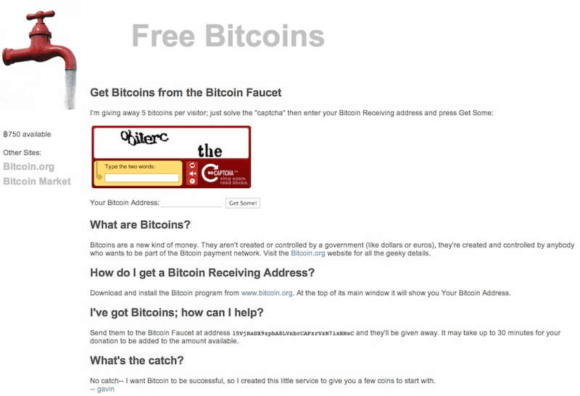
  • The first Bitcoin faucet, created by developer Gavin Andresen in 2010, distributed 5 BTC per claim.
  • At that time, Bitcoin was virtually worthless, and faucets served as a means to spread awareness and encourage experimentation.

Modern Faucets: Fractional Payouts

As Bitcoin’s value skyrocketed, faucet payouts naturally decreased to fractions of a Bitcoin. Today’s faucets generally offer:

  • 1-10 Satoshis per claim, depending on the faucet.
  • These payouts reflect the rising cost of Bitcoin and the need for faucets to remain sustainable.

Active Bitcoin Faucets in 2024

Despite the reduced payouts, Bitcoin faucets remain relevant, particularly in onboarding users in regions with limited crypto awareness. Some popular examples include:

  • FreeBitco.in: A gamified faucet where users can earn Bitcoin through lottery-style games and free hourly claims.
  • Cointiply: Offers tasks like surveys, games, and watching ads in exchange for Satoshis, making it a versatile platform for earning small amounts of BTC.

These platforms have evolved to include gamification and loyalty bonuses to retain users and generate revenue through ad placements.

The Role of Faucets Today

While their payouts may be small, faucets still play an important role in the cryptocurrency ecosystem by:

  • Introducing New Users to Bitcoin: Providing a risk-free way to experience crypto firsthand.
  • Expanding Awareness: Particularly useful in regions with limited crypto penetration.
  • Driving Engagement: Many faucets now incorporate gamification to make earning Satoshis interactive and fun.

Bitcoin faucets may no longer make users rich overnight, but they remain an essential tool for promoting adoption and ensuring Bitcoin’s accessibility to everyone, regardless of financial background.

The Role of Bitcoin Faucets Today

Bitcoin faucets continue to play a unique role in the cryptocurrency ecosystem, especially as an entry point for newcomers. Though their payouts are minuscule compared to Bitcoin’s early days, these platforms remain relevant by offering a hands-on way for users to engage with Bitcoin without financial risk.

Introducing New Users to Cryptocurrency

Faucets are often the first exposure many users have to Bitcoin. They:

  • Lower the Barrier to Entry: By providing free Bitcoin in exchange for completing simple tasks, faucets eliminate the need for a financial investment upfront.
  • Build Confidence: Faucets let users familiarise themselves with Bitcoin wallets, transactions, and basic crypto mechanics in a risk-free environment.
  • Spark Curiosity: Even small rewards in Satoshis can pique interest and encourage further exploration of the crypto world.

For beginners, faucets act as a gateway to understanding Bitcoin’s potential and the broader blockchain ecosystem.

Reliance on Ad Revenue and Gamification

Modern faucets are sustained through ad revenue and creative engagement strategies. Here’s how:

  • Ad Revenue: Most faucets display ads, earning revenue from user impressions, clicks, or completed offers. This funding is then used to provide Bitcoin payouts.
  • Gamification: Faucets often incorporate gamified elements like:
    • Spin-to-win games or hourly claims to keep users engaged.
    • Loyalty programs that reward frequent users with bonus payouts.
    • Contests or leaderboard features to incentivise competition.

By combining user interaction with revenue-generating activities, faucets remain financially viable while keeping users entertained.

Impact on Cryptocurrency Awareness in Underrepresented Regions

Bitcoin faucets have an outsized impact in regions where access to cryptocurrencies is limited by regulatory, financial, or technical barriers. Their contributions include:

  • Education: Faucets provide a practical introduction to Bitcoin, helping users understand wallets, private keys, and the value of decentralised systems.
  • Accessibility: Even in countries with low incomes or strict financial regulations, faucets offer an opportunity to acquire and experiment with Bitcoin.
  • Awareness: By introducing Bitcoin to users in these regions, faucets help build grassroots adoption that contributes to the cryptocurrency’s global network effect.

The Broader Impact

Bitcoin faucets may not be as lucrative as they once were, but their role as an educational and onboarding tool remains critical. By relying on ad revenue, gamification, and small payouts, faucets continue to expand cryptocurrency awareness and adoption, particularly in areas where traditional access to financial technology is limited.

In a world where Bitcoin is increasingly seen as a high-value asset, faucets ensure that its accessibility remains universal, reinforcing Bitcoin’s mission to be a currency for everyone.

The Broader Impact of Whale Movements and Faucets

Bitcoin whale activity and faucets may seem like polar opposites—massive market-moving transactions versus tiny payouts to new users—but together, they shape Bitcoin’s ecosystem and adoption dynamics.

Whale Activity and Its Influence on Bitcoin’s Market Price

Whales, or entities holding large amounts of Bitcoin, have a significant impact on market behaviour.

  • Market Volatility: When whales transfer or sell large amounts of Bitcoin, it can cause sharp price fluctuations, especially in markets with lower liquidity.
  • Price Signals: Reactivation of dormant wallets is often interpreted as a signal of market sentiment. For example:
    • Whales selling during a price surge may indicate profit-taking.
    • Conversely, holding or redistributing funds could reflect confidence in further price growth.
  • Liquidity Boosts: Some whales diversify their holdings by moving Bitcoin to exchanges or into other financial instruments like ETFs, increasing market liquidity.

As Bitcoin’s price hovers near historic highs ($95,412 as of now), whale movements remain a key factor in short-term price trends and long-term sentiment.

The Role of Bitcoin Faucets in a High-Value Economy

Despite Bitcoin’s current high valuation, faucets continue to hold relevance:

  • Educational Value: Faucets provide new users a way to learn about Bitcoin without financial risk, keeping the entry point to the ecosystem accessible.
  • Onboarding the Next Generation: Even small payouts can attract users from regions where Bitcoin adoption is still in its infancy, planting the seeds for future growth.
  • Strengthening the Network: By distributing Bitcoin to more users, faucets contribute to a broader and more decentralised network, essential for Bitcoin’s security and functionality.

Faucets operate at the opposite end of the spectrum from whales, but their small contributions to user engagement and adoption are foundational to Bitcoin’s longevity.

How These Trends Intersect and Drive Bitcoin Adoption

The seemingly disparate actions of whales and faucets intersect in several ways to influence Bitcoin’s adoption and market dynamics:

  • Market Liquidity and Accessibility: While whales increase liquidity through large transactions, faucets ensure Bitcoin remains accessible to those who might otherwise be excluded from the market.
  • Adoption Across Demographics: Whales often represent institutional players or early adopters, while faucets cater to newcomers, creating a balanced adoption funnel across user demographics.
  • Resilience of the Network: Whales moving funds signal confidence or recalibration, while faucets foster engagement and education, ensuring Bitcoin remains relevant across both ends of the adoption spectrum.

A Balanced Ecosystem

The interplay between whale movements and faucet activity highlights the versatility of Bitcoin as both a high-value asset and an accessible entry point for users. Whales may drive market trends, but faucets ensure Bitcoin’s mission of inclusivity and decentralisation continues. Together, these trends underline Bitcoin’s ability to serve as both a store of value and a tool for global financial empowerment.

Conclusion

Dormant Bitcoin wallets reactivating and the continued presence of Bitcoin faucets highlight two sides of the cryptocurrency ecosystem—one representing the massive potential for wealth generation and market influence, the other symbolising accessibility and education.

The re-emergence of ancient whales, such as the 50 BTC transfer from a wallet inactive for over 10 years, underscores the unparalleled returns Bitcoin can deliver to long-term holders. These movements send ripples through the market, impacting liquidity, price trends, and overall sentiment.

On the other hand, Bitcoin faucets remain a vital entry point for new users. Despite their modest payouts, they play a key role in spreading awareness, onboarding the next generation of Bitcoin enthusiasts, and ensuring Bitcoin’s decentralised ethos thrives.

As Bitcoin continues to surge, with predictions of reaching $250,000 by 2025, its relevance is undeniable. Whether through high-value whale activity or the humble faucet, Bitcoin’s ecosystem remains robust, dynamic, and poised for future growth.

It’s not just about price—it’s about participation. Bitcoin’s story isn’t just for the whales; it’s for everyone.

FAQs

  1. What triggers dormant Bitcoin wallets to reactivate?

Dormant Bitcoin wallets typically reactivate due to significant changes in market conditions, such as:

  • Record-breaking price surges: High Bitcoin valuations, like the current $95,412, prompt long-term holders to take profits.
  • Liquidity opportunities: Increased market liquidity, driven by ETFs or institutional adoption, makes it easier for whales to sell or redistribute holdings.
  • Strategic reallocation: Holders may move funds to exchanges, other wallets, or reinvest in emerging crypto projects or assets.

Reactivation often signals a response to favourable market conditions or personal financial planning by the wallet owner.

FAQs

What triggers dormant Bitcoin wallets to reactivate?

Dormant Bitcoin wallets typically reactivate due to significant changes in market conditions, such as:

  • Record-breaking price surges: High Bitcoin valuations, like the current $95,412, prompt long-term holders to take profits.
  • Liquidity opportunities: Increased market liquidity, driven by ETFs or institutional adoption, makes it easier for whales to sell or redistribute holdings.
  • Strategic reallocation: Holders may move funds to exchanges, other wallets, or reinvest in emerging crypto projects or assets.

Reactivation often signals a response to favourable market conditions or personal financial planning by the wallet owner.

Are Bitcoin faucets still worth using in 2024?

Yes, but with the right expectations:

  • Educational Value: Faucets remain a great way for newcomers to familiarise themselves with Bitcoin wallets and transactions without risking money.
  • Small Earnings: While payouts are tiny (often just a few Satoshis per claim), they can still be useful for learning or accumulating over time.
  • Gamified Engagement: Faucets like FreeBitco.in and Cointiply make the process fun and interactive, offering a low-stakes introduction to Bitcoin.

For those new to cryptocurrency or looking for an easy entry point, faucets are still relevant, especially in underrepresented regions.

How do whale movements affect Bitcoin’s price?

Whale movements can have both short-term and long-term effects on Bitcoin’s price:

  • Short-term volatility: Large transfers to exchanges may spark sell-off fears, temporarily causing price dips.
  • Market signals: When dormant wallets reactivate, it can indicate profit-taking, confidence, or strategic reallocations, influencing investor sentiment.
  • Liquidity boosts: Movement to exchanges or into Bitcoin ETFs increases market liquidity, which can help stabilise prices.

Whales have a significant influence, but the growing participation of retail and institutional investors has made the market more resilient to these movements.

Can Bitcoin really hit $250,000 by 2025?

Many experts believe so, based on key factors:

  • Institutional adoption: Bitcoin ETFs and corporate investments are driving demand.
  • Scarcity: With only 21 million Bitcoins ever available, increasing adoption and decreasing availability could drive prices higher.
  • Macro conditions: Potential interest rate cuts and economic shifts favour decentralised assets like Bitcoin.
  • Historical trends: Bitcoin has consistently reached new highs after each halving event, with the next halving set for 2024.

While projections are optimistic, Bitcoin’s history shows that its price trajectory has often defied scepticism, making $250,000 by 2025 a plausible target.

Categories
Insights

U.S. Transfers $1.9B Bitcoin to Coinbase: What It Means for Crypto

U.S. Transfers $1.9B Bitcoin to Coinbase: What It Means for Crypto

When the U.S. government transfers nearly $1.9 billion worth of Bitcoin to Coinbase Prime, it’s more than just a routine transaction—it’s a seismic event in the crypto world.

Why It Matters

This move, involving approximately 19,800 BTC originally seized from the infamous Silk Road case, has far-reaching implications. It showcases the growing intersection between institutional crypto platforms like Coinbase and government agencies, raising critical questions about strategies for managing seized assets and the role of cryptocurrency in national policy.

Key Things to Know

  1. The Bitcoin in question was confiscated in 2021 from James Zhong, linked to the Silk Road marketplace, a hub for illicit transactions.
  2. Blockchain transparency enabled this transfer to be publicly tracked, highlighting how crypto transactions remain traceable despite their pseudonymous nature.
  3. U.S. lawmakers are considering leveraging these holdings to establish a “strategic Bitcoin reserve,” a concept that could redefine the government’s relationship with digital assets.
  4. The involvement of Coinbase Prime signals a reliance on secure, institutional-grade custody solutions for managing massive amounts of cryptocurrency.

What You’ll Learn in This Article

Dive deeper into the details behind this transfer, explore the government’s broader crypto strategies, and understand how grassroots tools like Bitcoin faucets contrast with institutional moves. Plus, discover what this all means for Bitcoin’s future and its place in U.S. policy.

The Silk Road Seizure: How Did We Get Here?

The Silk Road’s Role in Bitcoin’s Early Adoption

Before Bitcoin became the asset of institutional investors and governments, it was the currency of the Silk Road, a notorious online marketplace operating on the dark web. Launched in 2011, Silk Road allowed users to trade anything from illicit drugs to forged documents, using Bitcoin for its pseudo-anonymity and ease of transfer.

This marketplace was one of Bitcoin’s first real-world use cases, driving early adoption. By the time of its shutdown in 2013, the platform had facilitated millions of dollars in transactions, cementing Bitcoin’s association with illegal activity in the public mind.

Ross Ulbricht’s Case and Its Impact on Crypto Regulation

The creator of the Silk Road, Ross Ulbricht, operated under the pseudonym “Dread Pirate Roberts.” In 2015, he was convicted of conspiracy, money laundering, and computer hacking and sentenced to life in prison without parole.

This case had a massive ripple effect:

  • It highlighted Bitcoin’s dual identity as a revolutionary technology and a tool for illicit activities.
  • It pushed governments worldwide to enforce stricter crypto regulations, linking cryptocurrencies to anti-money laundering (AML) frameworks.

Today, while the crypto market has grown beyond such associations, Ulbricht remains a divisive figure, with some calling for his sentence to be commuted due to its severity.

James Zhong’s Involvement: The $3.36 Billion Seizure

Fast forward to 2021: James Zhong, a hacker linked to Silk Road, became the focus of one of the largest Bitcoin seizures in U.S. history. Zhong had exploited a flaw in the Silk Road’s withdrawal system in 2012, amassing over 50,000 BTC, valued at approximately $3.36 billion at the time of recovery.

When federal agents raided Zhong’s home, they uncovered an unusual storage method—a single-board computer submerged in a popcorn tin under blankets. The seizure was a testament to the unique and sometimes bizarre ways cryptocurrency is hidden.

How It All Connects

The Silk Road and its aftermath serve as a reminder of Bitcoin’s complex history. While its use has evolved into legitimate markets and investments, these high-profile cases highlight the importance of regulatory oversight and blockchain transparency.

The recent transfer of 19,800 BTC to Coinbase Prime by the U.S. government is the latest chapter in a story that began with the Silk Road and continues to shape the future of cryptocurrency.

Understanding the $1.9 Billion Bitcoin Transfer

What Happened on December 2, 2024?

On this date, blockchain records revealed a significant movement of approximately 19,800 Bitcoin (BTC), valued at $1.9 billion, from a wallet linked to the U.S. government to a Coinbase Prime deposit address.

  • The transfer was part of a larger sum of over 50,000 BTC confiscated in 2021 from James Zhong, a figure tied to the Silk Road case.
  • The blockchain analytics firm Arkham Intelligence tracked the transaction, demonstrating the transparency inherent in cryptocurrency systems.
  • These Bitcoin assets are believed to be under the custody of the U.S. Marshals Service, responsible for managing forfeited assets, with Coinbase Prime acting as the storage partner.

The Role of Blockchain Analytics

This transaction highlights the critical role of tools like Arkham Intelligence, which monitors on-chain activity to provide insights into crypto movements.

  • Arkham identified the wallet as tied to the U.S. government through historical patterns and forensic tracing.
  • Such transparency underscores how blockchain technology can track public transactions while maintaining user anonymity for non-government entities.

Speculations on Intentions

The purpose of this massive transfer remains speculative, with two dominant theories emerging:

  1. Liquidation Strategy
    • The U.S. government has previously auctioned seized Bitcoin, often in bulk sales. Moving the assets to Coinbase Prime might signal an intent to liquidate, potentially to fund other government activities.
    • However, such a sale could significantly impact Bitcoin’s price, potentially triggering short-term market volatility.
  2. Strategic Bitcoin Reserve
    • A more intriguing theory involves building a U.S. Bitcoin reserve. Some lawmakers, including Senator Cynthia Lummis, have proposed holding Bitcoin as a strategic asset akin to gold reserves.
    • This would position the U.S. as a global leader in the crypto space and hedge against fiat currency devaluation.

Implications for the Crypto Market and U.S. Policy

  • Market Sentiment: Such large movements often create speculation and volatility. The potential for either liquidation or strategic holding can influence Bitcoin’s price trajectory.
  • Institutional Trust: The reliance on Coinbase Prime reflects growing institutional trust in secure crypto platforms.
  • Future of Regulation: This transfer may reignite discussions about crypto’s role in government strategies and prompt broader regulatory conversations about how governments manage digital assets.

The $1.9 billion transfer is not just a technical event—it’s a move that underscores the U.S. government’s evolving role in the crypto ecosystem and its potential to shape the future of Bitcoin policy and adoption.

The Role of Coinbase Prime in Government Crypto Custody

Coinbase Prime’s Capabilities

The decision to partner with Coinbase Prime to manage seized Bitcoin reflects the U.S. government’s focus on security, compliance, and efficiency in handling digital assets.

  1. Why the U.S. Government Partnered with Coinbase Prime
    • Coinbase Prime is an institutional-grade platform tailored to meet the needs of governments, banks, and large financial entities.
    • It offers robust custody solutions with cutting-edge security measures, including offline cold storage for enhanced protection against cyber threats.
    • Coinbase has a proven track record of compliance with U.S. regulations, making it a reliable partner for federal agencies like the U.S. Marshals Service.
  2. Features That Make Coinbase Prime Ideal for Institutional Crypto Custody
    • Multi-Signature Authentication: Prevents unauthorized access by requiring multiple approvals for transactions.
    • Regulated Custody: Operates under stringent regulatory frameworks, ensuring transparency and compliance.
    • Scalability: Designed to handle large volumes of digital assets efficiently, which is crucial for managing government-held Bitcoin worth billions.
    • Auditable Transactions: Provides detailed reports and records for legal and regulatory purposes, an essential feature for government operations.

The Bigger Picture

  1. How This Transfer Aligns with the Government’s Asset Forfeiture Policies
    • The U.S. Marshals Service oversees seized assets, including cryptocurrencies confiscated in criminal cases like the Silk Road.
    • Partnering with Coinbase Prime ensures these assets are securely held, avoiding potential losses while in custody.
    • The transfer to Coinbase may also prepare the assets for potential liquidation, as the Marshals Service historically auctions seized Bitcoin.
  2. The Partnership with U.S. Marshals Service Announced in 2023
    • In July 2023, the U.S. Marshals Service formalized its relationship with Coinbase Prime to manage seized digital tokens.
    • This partnership reflects a shift in how the government handles crypto, moving away from ad hoc storage solutions to professional-grade custody platforms.

By leveraging Coinbase Prime’s infrastructure, the U.S. government not only secures seized Bitcoin but also sets a precedent for institutional-grade crypto management. This partnership underscores the increasing mainstream acceptance of crypto technologies while highlighting the need for robust solutions to safeguard high-value assets.

Bitcoin Faucets: A Contrast to Institutional Crypto Moves

What Are Bitcoin Faucets?

Bitcoin faucets are platforms or apps that reward users with small amounts of Bitcoin in exchange for completing simple tasks. These tasks might include solving captchas, watching ads, or clicking on links.

  1. Origins and Their Role in Bitcoin Adoption
    • The first Bitcoin faucet was created in 2010 by Gavin Andresen, one of Bitcoin’s early developers.
    • It distributed 5 BTC per user for free to encourage awareness and adoption when Bitcoin was virtually unknown.
    • Faucets played a critical role in introducing Bitcoin to new users by eliminating financial barriers to entry.
  2. Examples of Popular Bitcoin Faucets
    • FreeBitco.in: One of the most well-known faucets, offering small rewards for rolling dice or participating in promotions.
    • Cointiply: Combines faucet payouts with surveys and games, catering to a broader audience.
    • SatoshiHero: A widely used faucet that allows users to claim Bitcoin rewards by completing tasks and engaging with advertisements.

The Decline of Faucets

While faucets were crucial in Bitcoin’s early years, their relevance has significantly diminished due to several factors:

  1. Why Payouts Have Diminished
    • Rising Bitcoin Value: As Bitcoin’s price surged, faucets could no longer afford to distribute significant amounts of BTC without incurring unsustainable costs.
    • Transaction Fees: High network fees made microtransactions impractical, discouraging users from claiming small payouts.
  2. Security and Efficiency Concerns
    • Phishing Risks: Many modern faucets are fronts for phishing schemes, attempting to steal user information or wallets.
    • Malware Distribution: Some faucets embed malicious software in their ads or links, posing risks to users.
    • Low Efficiency: The time and effort required to earn meaningful rewards have made faucets less attractive to users.

Faucets vs. Institutional Use

Crypto faucets and institutional strategies, like the U.S. government’s transfer of $1.9 billion in Bitcoin to Coinbase Prime, represent vastly different ends of the cryptocurrency spectrum.

  1. Grassroots Tools vs. Large-Scale Management
    • Faucets serve as entry points for individuals, introducing small, risk-free amounts of Bitcoin to new users.
    • Institutional moves like the Coinbase transfer focus on managing massive volumes of Bitcoin within a secure, compliant framework.
  2. Use Case Differences
    • Faucets aim to drive awareness and education, primarily targeting casual or first-time users.
    • Institutional strategies focus on custody, trading, and policy influence, reflecting Bitcoin’s maturity as a financial asset.
  3. Impact on the Ecosystem
    • Faucets contributed to Bitcoin’s grassroots adoption, while institutional moves like the Coinbase transfer signal the cryptocurrency’s acceptance into mainstream finance.

In essence, Bitcoin faucets symbolize Bitcoin’s humble beginnings, while institutional use showcases its evolution into a major asset class.

Blockchain Transparency and the Role of Analytics

How Blockchain Reveals the Story

One of the defining features of blockchain technology is its transparency. Every transaction is recorded on a public ledger, making it possible to track movements of Bitcoin and other cryptocurrencies in real-time.

  1. Tracking the Government’s Wallets and Transactions
    • The U.S. government’s transfer of 19,800 BTC to Coinbase Prime was visible to anyone with access to blockchain data.
    • By examining transaction histories, blockchain analysts can identify wallet activity linked to known government holdings.
    • The government’s use of these wallets illustrates the pseudo-anonymity of Bitcoin: while individual identities are masked, wallet movements remain public.
  2. Tools Like Arkham Intelligence and Their Relevance
    • Arkham Intelligence, a blockchain analytics platform, played a key role in identifying the government’s wallet and the massive Bitcoin transfer.
    • These tools use advanced algorithms to map wallet addresses, analyze transaction patterns, and link wallets to specific entities.
    • Platforms like Arkham are critical for providing insights into high-value transactions and ensuring accountability in the crypto ecosystem.

Implications for Privacy and Security

While blockchain transparency enhances trust and accountability, it also raises concerns about privacy and potential overexposure.

  1. The Benefits of Transparency
    • Ensures that large-scale transactions, such as the government’s Bitcoin movements, can be scrutinized by the public.
    • Helps combat illegal activities like money laundering and fraud by enabling forensic analysis of suspicious wallets.
  2. The Risks of Overexposure
    • Entities holding large amounts of Bitcoin, like the U.S. government, could become targets for cyberattacks.
    • Individuals with public wallet addresses risk having their financial history exposed to the world, potentially jeopardizing their personal security.
  3. Balancing the Fine Line
    • The crypto community must navigate the balance between blockchain’s inherent transparency and the need for privacy protections.
    • Enhanced tools for privacy-preserving analytics and protocols like CoinJoin could offer solutions that maintain accountability while safeguarding individual security.

Blockchain transparency is both a strength and a challenge. While it enables the tracking of events like the U.S. government’s Bitcoin transfer, it also highlights the ongoing need to address privacy concerns as cryptocurrency adoption grows.

Strategic Bitcoin Reserve: A Future Policy?

Legislative Proposals

The idea of a strategic Bitcoin reserve has been gaining traction among some U.S. lawmakers and policymakers, fueled by Bitcoin’s growing global relevance as a financial asset.

  1. Insights from Senator Cynthia Lummis
    • Senator Cynthia Lummis, a staunch advocate for cryptocurrency, has called for the U.S. to explore holding Bitcoin as part of its strategic reserves.
    • Her argument centres on Bitcoin as a hedge against inflation and a potential alternative to traditional reserve assets like gold.
  2. President-Elect Donald Trump’s Stance
    • During his campaign, President-elect Donald Trump floated the idea of establishing a Bitcoin reserve to bolster the U.S.’s financial position.
    • Trump’s prior reluctance toward cryptocurrencies seems to have softened as Bitcoin has become increasingly mainstream. His administration could introduce legislation formalizing Bitcoin’s role in the national reserve system.
  3. What a Strategic Bitcoin Reserve Could Mean for the U.S. Economy
    • Economic Hedge: Bitcoin’s decentralized nature could provide a safeguard against fluctuations in the global financial system.
    • Innovation Catalyst: Institutional adoption of Bitcoin might spur technological advancements and crypto-friendly policies.
    • Geopolitical Advantage: With other nations like El Salvador integrating Bitcoin into their economies, a U.S. reserve could solidify its leadership in the global crypto market.

Market Reactions

  1. Speculation Around the Government’s Bitcoin Holdings
    • The U.S. government’s possession of an estimated 208,109 BTC has already sparked significant speculation in the crypto community.
    • Movements of these funds, such as the recent transfer to Coinbase Prime, often lead to temporary market volatility.
  2. Potential Impacts on Bitcoin’s Price and Adoption
    • Bullish Sentiment: If the government commits to a strategic reserve, it could drive confidence in Bitcoin as a legitimate, long-term asset.
    • Market Stability: Holding, rather than liquidating, large amounts of Bitcoin could reduce the supply in circulation, potentially increasing its price.
    • Adoption Growth: Official recognition of Bitcoin as a reserve asset might encourage institutional and retail investors to further embrace it.

The Path Ahead

While a strategic Bitcoin reserve remains a theoretical concept, its potential to reshape the U.S. economy and crypto market is undeniable. The combination of legislative proposals and speculative activity highlights Bitcoin’s transformation from a niche asset into a serious consideration for national policy. Whether the U.S. seizes this opportunity could have lasting implications for the global cryptocurrency landscape.

Lessons from the Silk Road Case for Crypto Regulation

The Need for Robust Policies

The Silk Road case serves as a pivotal moment in the history of cryptocurrency, revealing both its potential and its vulnerabilities.

  1. How Silk Road Shaped Early Perceptions of Bitcoin
    • Silk Road’s use of Bitcoin for illicit transactions cast the cryptocurrency in a negative light during its formative years.
    • For many, Bitcoin became synonymous with the dark web, cybercrime, and money laundering, delaying its mainstream acceptance.
    • High-profile cases like the sentencing of Ross Ulbricht highlighted the need for governments to address how cryptocurrencies could facilitate illegal activities.
  2. Current Challenges in Regulating Crypto Markets
    • Rapid Innovation: The pace of technological advancements in blockchain often outstrips regulatory frameworks, leaving grey areas for crypto businesses and users.
    • Cross-Border Issues: Cryptocurrencies operate on decentralized networks, making it difficult for individual countries to enforce consistent regulations.
    • Balancing Privacy and Compliance: While blockchain transparency helps trace transactions, privacy-centric cryptocurrencies and tools like mixers complicate law enforcement efforts.
    • Fraud and Scams: The lack of clear regulations leaves room for bad actors to exploit unsuspecting users through scams and rug pulls.

Looking Forward

  1. Balancing Innovation with Security and Compliance
    • Governments and regulatory bodies must strike a balance between fostering blockchain innovation and ensuring security for users and the financial system.
    • Encourage Innovation: Support blockchain projects that demonstrate compliance with anti-money laundering (AML) and know-your-customer (KYC) policies.
    • Global Collaboration: Work with international organizations to establish unified regulatory standards for crypto markets.
    • Targeted Enforcement: Focus on combating illicit activities without stifling legitimate uses of cryptocurrency, such as remittances and decentralized finance (DeFi).
  2. Learning from the Silk Road Case
    • The Silk Road highlighted both the risks of unregulated crypto markets and the power of blockchain transparency to uncover illicit activities.
    • Leveraging tools like blockchain analytics can enhance oversight while respecting user privacy.
    • Promoting educational campaigns can help users understand the risks and responsibilities of engaging with cryptocurrencies.

The Silk Road case left an indelible mark on the crypto landscape, catalyzing the development of policies to manage its risks and opportunities. Moving forward, a balanced regulatory approach can ensure that cryptocurrencies thrive as legitimate financial instruments while safeguarding against misuse.

Conclusion

The $1.9 billion Bitcoin transfer by the U.S. government to Coinbase Prime is more than just a headline—it’s a glimpse into the evolving relationship between institutional actors and the cryptocurrency world.

Key Takeaways

  1. The significance of the transfer lies in its scale and transparency, showcasing how governments leverage blockchain technology to manage seized assets.
  2. This move underscores the broader implications for crypto adoption and regulation, signalling Bitcoin’s shift from a tool for illicit activities to a legitimate financial instrument.
  3. The contrast between institutional custody solutions like Coinbase Prime and grassroots tools such as Bitcoin faucets highlights the spectrum of Bitcoin’s use cases—from individual engagement to strategic asset management.

Stay Engaged

As cryptocurrency continues to evolve, so do its challenges and opportunities. Whether it’s discussions about a U.S. Bitcoin reserve, the rise of new blockchain tools, or the enduring legacy of Bitcoin faucets, staying informed is crucial.

Share your thoughts: How do you see the government’s role in shaping Bitcoin’s future? Are institutional strategies like these the right move, or does Bitcoin’s spirit lie in its grassroots origins?

The crypto world is dynamic and full of surprises—don’t get left behind. Stay updated, stay curious, and join the conversation.

FAQs

  1. Why did the U.S. government transfer Bitcoin to Coinbase Prime?

The U.S. government transferred approximately $1.9 billion worth of Bitcoin to Coinbase Prime as part of its asset custody strategy. This Bitcoin was seized in 2021 from James Zhong, who was linked to the Silk Road case. Coinbase Prime, an institutional-grade platform, offers secure custody and compliance features, making it an ideal partner for managing high-value digital assets.

  1. What is the Silk Road case, and how does it relate to this transfer?

The Silk Road was a dark web marketplace that facilitated illegal transactions using Bitcoin. Ross Ulbricht, its founder, was arrested in 2013 and sentenced to life in prison in 2015. James Zhong exploited a vulnerability in the Silk Road system to steal over 50,000 BTC, which was later seized by U.S. authorities. The recent Bitcoin transfer to Coinbase Prime includes a portion of these funds, originally confiscated in one of the largest cryptocurrency seizures in history.

  1. What are Bitcoin faucets, and how do they work?

Bitcoin faucets are platforms or apps that distribute small amounts of Bitcoin as rewards for completing simple tasks like solving captchas, watching ads, or answering surveys. They were initially created to introduce users to Bitcoin by giving them free access to small amounts. Over time, their popularity has waned due to lower payouts, rising transaction fees, and concerns about security.

  1. What does this transfer mean for Bitcoin’s future?

This transfer highlights the growing institutionalization of Bitcoin. It demonstrates how governments and major players like Coinbase are shaping the future of cryptocurrency by embracing secure, regulated frameworks. The move also sparks speculation about whether Bitcoin could become part of strategic reserves, similar to gold, and reinforces its status as a major financial asset.

By understanding these aspects, readers can better grasp the broader implications of the U.S. government’s Bitcoin transfer and its potential impact on the cryptocurrency ecosystem.

Categories
Insights

Crypto Trends in 2024: From HODL Strategies to Meme Coins

From HODL to Meme Coins: Navigating Crypto Trends and Innovations in 2024

The cryptocurrency market has undergone a transformation few could have predicted a decade ago. From Bitcoin’s humble beginnings in 2009 as a decentralised alternative to traditional currencies, the space has grown into a sprawling ecosystem worth trillions of dollars. Early adopters championed Bitcoin as “digital gold,” holding onto their investments with the infamous “HODL” mentality—refusing to sell even in the face of extreme volatility. But today, the crypto world is much more diverse, with new ways to earn, trade, and even spend digital assets.

Crypto faucets, once a quirky tool for distributing tiny fractions of Bitcoin to onboard curious users, have become more sophisticated. These platforms still provide small rewards but now focus on educating users and fostering engagement with blockchain technologies. Meanwhile, meme coins like Dogecoin have taken the spotlight, transforming internet jokes into billion-dollar economies fueled by social media hype and speculative investing.

Key Things to Know

  1. HODL Philosophy
    • Originating from a 2013 forum post, “HODL” is shorthand for holding onto Bitcoin through market ups and downs.
    • It reflects a long-term belief in Bitcoin’s potential as a store of value despite its wild price swings.
  2. Bitcoin Faucets
    • Early tools like Gavin Andresen’s Bitcoin faucet gave away 5 BTC per user for free when Bitcoin was worth mere cents.
    • Today, faucets reward micro-earnings in Satoshis for small tasks like surveys or quizzes, often as an educational tool.
  3. Meme Coins
    • Born out of internet culture, meme coins like Dogecoin and Shiba Inu thrive on community engagement and social media.
    • They have seen explosive growth, with Dogecoin reaching a market cap of over $58 billion, but remain highly speculative.

The crypto market isn’t just about holding Bitcoin anymore. It’s a constantly evolving space, offering opportunities for everyone—from seasoned investors to curious newcomers—who want to dive into the world of digital finance.

The HODL Philosophy

Origin and Definition

HODL, short for “Hold On for Dear Life,” is more than just a typo-turned meme; it’s a battle cry for Bitcoin enthusiasts and crypto maximalists. The term first appeared in 2013 on a BitcoinTalk forum post titled “I AM HODLING,” where a user, frustrated with their inability to trade Bitcoin profitably, declared they were holding onto their coins no matter what.

This typo encapsulated a sentiment shared by early adopters of Bitcoin: trust in the long-term value of the cryptocurrency despite its volatile price swings. Over the years, HODLing has become a cultural cornerstone of the crypto community, symbolising resilience, belief in decentralisation, and defiance against the doubters of Bitcoin’s future.

Historical Context and Significance

HODL emerged during the wild west days of crypto, when Bitcoin’s value could plummet by 30% overnight and bounce back just as quickly. For many, HODLing wasn’t just about maximising returns—it was a survival strategy in a nascent, unpredictable market. As Bitcoin matured, the philosophy became a badge of honour for those who resisted the urge to sell during downturns.

By sticking to the HODL mantra, early investors have been rewarded handsomely. In 2011, Bitcoin was trading for less than $1. Fast forward to its 2024 peak, Bitcoin’s value soared to approximately $95,000. This staggering growth underscores the power of long-term thinking in an asset class often ruled by FOMO (Fear of Missing Out) and panic selling.

Impact on Investment Strategies

Long-Term Holding Benefits

The benefits of HODLing are now supported by hard data. According to The Times, the number of Bitcoin millionaires has doubled in the past year as Bitcoin continues its meteoric rise. Those who resisted the temptation to trade frequently or sell during dips have seen exponential returns, solidifying HODL as one of the most effective crypto strategies.

Doubling Crypto Millionaires

MarketWatch reports that the explosive growth of Bitcoin and other cryptocurrencies has led to a surge in the number of crypto millionaires. These individuals, often early adopters who HODLed through market turbulence, are reaping the rewards of their patience. This trend has inspired a new generation of investors to embrace the HODL philosophy, confident that time in the market beats timing the market.

Why It Matters

HODLing has transcended its origins to become a defining ethos of the cryptocurrency world. It’s not just about wealth creation; it’s about believing in a decentralised future and enduring the chaos to see it materialise. While newer investors are exploring alternative strategies, HODL remains a timeless reminder of the rewards that patience can bring in the ever-evolving world of crypto.

Bitcoin Faucets: An Entry Point

Introduction to Bitcoin Faucets

Bitcoin faucets are platforms that reward users with small amounts of Bitcoin (or other cryptocurrencies) for performing simple tasks. These tasks often include solving captchas, answering quizzes, or watching ads. The concept originated as a way to introduce new users to Bitcoin, allowing them to interact with the technology without the need for upfront investment.

The name “faucet” reflects the small, drip-like flow of Bitcoin it provides—just enough to get started but far from making anyone rich.

Evolution Over Time

Early Days of Bitcoin Faucets

In 2010, Bitcoin developer Gavin Andresen launched the first Bitcoin faucet, giving away 5 BTC per person for completing basic tasks. Back then, Bitcoin was virtually worthless, and the goal was simple: to promote awareness and adoption of cryptocurrency.

As Bitcoin’s value skyrocketed, faucets had to adapt. Distributing whole Bitcoins became unfeasible, leading to the rise of micro-earnings—rewarding users in Satoshis, the smallest unit of Bitcoin. For example, today’s faucets might reward users with 10–100 Satoshis (fractions of a cent) per task.

Popular Platforms

Several faucets have carved out a niche in this space:

  • FreeBitco.in: One of the largest and oldest Bitcoin faucets, it offers Satoshi rewards alongside features like lotteries and interest-bearing accounts.
  • Cointiply: Focused on gamification, this faucet rewards users for engaging with surveys, games, and ads.
  • SatoshiHero: Recognised for its user-friendly design and attractive reward system, it’s a go-to platform for beginners looking to start their crypto journey with ease.

These platforms not only distribute Bitcoin but also serve as educational tools, teaching users the basics of wallets, transfers, and crypto security.

Current Relevance

Role in Crypto Education and Adoption

Bitcoin faucets remain a valuable tool for onboarding new users. For someone hesitant to invest money into cryptocurrency, faucets provide a no-risk way to gain first-hand experience with Bitcoin. Many platforms now integrate tutorials and guides alongside tasks, making them an educational gateway to blockchain technology.

Effectiveness as a Means to Acquire Crypto

While faucets no longer offer life-changing rewards, they still have their place:

  • Pros:
    • Zero financial risk.
    • Easy way to learn and familiarise oneself with the crypto ecosystem.
    • Accessible to users worldwide, especially in regions with limited access to traditional financial systems.
  • Cons:
    • Time-consuming for minimal financial gain (e.g., earning a few cents per hour).
    • Dependence on ad revenue often leads to poor user experiences.

In today’s crypto landscape, faucets are less about wealth accumulation and more about fostering curiosity and adoption. For those new to cryptocurrency, faucets provide an approachable entry point, sparking interest that may lead to deeper engagement with the blockchain world.

Bitcoin faucets might seem small in impact today, but their role as educators and community builders in the crypto space remains significant.

Meme Coins: From Jokes to Market Movers

Emergence and Popularity

Origins of Meme Coins

Meme coins started as a lighthearted offshoot of cryptocurrency, with Dogecoin (DOGE) paving the way. Launched in 2013, Dogecoin was inspired by the popular “Doge” meme featuring a Shiba Inu dog and was intended as a joke. However, its humorous origins belied its eventual rise to prominence, driven by community engagement and widespread social media appeal.

Shiba Inu (SHIB), another meme coin, followed in DOGE’s footsteps, branding itself as the “DOGE killer” and building a loyal community. Meme coins often succeed by leveraging pop culture, humour, and relatability, creating a strong sense of belonging among their users.

The Role of Social Media and Influencers

Platforms like TikTok, Twitter (now X), and Reddit have been instrumental in meme coin popularity. Viral campaigns, often fueled by grassroots enthusiasm or influencer endorsements, can catapult obscure tokens to the forefront of public attention.

Elon Musk, one of the most influential figures in the cryptocurrency world, has been pivotal in Dogecoin’s rise. His tweets, jokes, and memes about DOGE have sent its price soaring multiple times, showcasing the power of celebrity influence in the digital currency space. As Investopedia notes, Musk’s playful endorsements brought meme coins into the mainstream conversation, attracting new investors and driving speculative trading.

Market Impact

Surge in Meme Coin Market Capitalization

Meme coins are no longer just jokes—they’re major players in the crypto economy. According to the Financial Times, the market capitalisation of meme coins grew from $56 billion to nearly $60 billion during the latest bull run. Dogecoin alone boasts a market cap of over $58 billion, and Shiba Inu has climbed the ranks as a top cryptocurrency by market value.

Case Studies of Notable Meme Coins

  1. Dogecoin (DOGE)
    • Originally a parody, Dogecoin became a serious contender with widespread adoption for tipping and microtransactions.
    • After a flurry of Musk-fueled hype, DOGE hit an all-time high of $0.73 in 2021, a massive increase from its 2017 price of less than $0.01.
  2. Shiba Inu (SHIB)
    • Launched as a rival to Dogecoin, Shiba Inu gained traction by building an ecosystem, including a decentralised exchange (ShibaSwap).
    • Its meteoric rise in 2021 turned small investments into life-changing wealth for early adopters.
  3. Pepe Coin (PEPE)
    • Based on the infamous Pepe the Frog meme, PEPE represents the newer wave of meme coins driven by short-term hype and speculative trading.

Risks and Considerations

Speculative Nature and Volatility

While the potential for explosive gains attracts many investors, meme coins are inherently speculative. Their value is often driven by hype, social sentiment, and viral trends rather than underlying utility or technology. This makes them highly volatile, with prices frequently swinging by double digits in a single day.

Scams and Due Diligence

The meme coin frenzy has also attracted bad actors, leading to numerous scams and pump-and-dump schemes. Rug pulls—where creators abandon a project after inflating its value—are a recurring issue in the meme coin space. To mitigate risks:

  • Research the Project: Verify the team, whitepaper, and roadmap.
  • Avoid FOMO: Don’t invest solely because of social media hype.
  • Start Small: Treat meme coins as high-risk assets and limit exposure.

Meme coins have proven that jokes can turn into serious market players, but the risks cannot be ignored. Investors should balance their portfolios carefully, treating meme coins as speculative assets rather than cornerstone investments.

Advancements in Off-Ramping Solutions

Traditional Challenges

In the early days of cryptocurrency, converting digital assets into fiat currency was a slow, costly, and often risky process. Crypto holders looking to “cash out” faced a series of hurdles:

  • High Fees: Conversion costs were exorbitant, with some platforms charging fees as high as 10% for simple transactions.
  • Unreliable Intermediaries: Many users had to rely on small, unregulated exchanges or third-party brokers that lacked transparency and posed a risk of fraud.
  • Slow Processing Times: Transactions could take days or even weeks to clear, leaving users frustrated and vulnerable to market volatility.

These challenges made off-ramping an unattractive option, especially for those holding smaller amounts of cryptocurrency.

Modern Solutions

The Emergence of Seamless Off-Ramping Tools

The crypto landscape has evolved dramatically, and off-ramping has become faster, safer, and cheaper. Services like Mercuryo’s Spend card exemplify this transformation.

  • Mercuryo Spend Card:
    • A crypto debit card integrated into non-custodial wallets, allowing users to convert crypto into fiat seamlessly.
    • Works with major payment systems like Apple Pay and Google Pay for both online and in-store transactions.
    • Provides consumer protections on par with traditional debit and credit cards, such as chargebacks and fraud prevention.

This kind of innovation eliminates the need for third-party brokers, streamlining the process while keeping costs low.

Partnerships with Traditional Finance

The entry of financial giants like Mastercard and Visa into the cryptocurrency ecosystem has been a game-changer. Their partnerships with crypto platforms bring credibility and convenience to off-ramping solutions.

  • Mastercard’s Crypto Initiatives:
    • Collaborations with companies like Mercuryo to develop crypto debit cards that connect to millions of merchants worldwide.
    • Focus on compliance and security, ensuring users can spend crypto with confidence.
  • Visa’s Involvement:
    • Support for crypto-backed credit and debit cards through partnerships with platforms like Binance and Crypto.com.
    • Development of APIs to enable seamless integration of crypto payments with traditional banking systems.

These partnerships bridge the gap between the crypto world and traditional finance, making off-ramping smoother than ever before.

User Adoption

Growing Popularity of Crypto Debit Cards

Crypto debit cards have rapidly gained traction among users seeking an easy way to spend their digital assets. Key factors driving adoption include:

  • Ease of Use: Integration with everyday tools like Apple Pay and Google Pay has made crypto spending as simple as tapping a smartphone.
  • Low Fees: Many cards offer competitive conversion rates and minimal transaction fees.

Adoption Rates and Demographics

  • Statistics:
    • Over 25% of crypto users globally have used a debit or credit card linked to their wallets. (Source: Mercuryo)
    • In 2023, crypto card usage grew by 30% year-over-year, particularly among younger demographics. (Source: Visa)
  • Demographics:
    • Gen Z and Millennials: These tech-savvy groups dominate the market, drawn to the convenience and flexibility of crypto cards.
    • Global Users: High adoption rates in regions with unstable currencies, such as Latin America and parts of Africa, where crypto provides a reliable alternative.

Off-ramping has come a long way, with cutting-edge tools now empowering crypto users to access their funds quickly and safely. The combination of innovative services and trusted partnerships has created an ecosystem where spending crypto is as simple as swiping a card.

The Influence of Generation Z

Engagement with Cryptocurrency

Generation Z, born between the mid-1990s and early 2010s, has emerged as a dominant force in the cryptocurrency market. Unlike older generations, who often approach crypto with caution, Gen Z dives headfirst into the space, driven by their fluency in digital technologies and desire for financial independence.

Gen Z’s Role in the Rise of Meme Coins

The viral success of meme coins like Dogecoin (DOGE) and Shiba Inu (SHIB) is closely tied to Gen Z’s knack for turning internet culture into economic phenomena. Meme coins align perfectly with Gen Z’s values: humour, community, and rebellion against traditional finance.

  • Platforms like TikTok, Instagram, and Twitter (X) amplify meme coins by creating viral campaigns and challenges. For example, the “Dogecoin to $1” movement gained significant traction on TikTok, fueling a surge in DOGE’s value.
  • Gen Z influencers play a major role, turning speculative investments into social trends. Their reach creates FOMO (Fear of Missing Out), encouraging peers to join the meme coin bandwagon.

Adoption Beyond Meme Coins

Gen Z’s engagement with cryptocurrency extends beyond speculative tokens. Many embrace decentralised finance (DeFi), NFTs, and blockchain gaming. Their digital-first mindset positions them as early adopters of emerging crypto trends, shaping the direction of the market.

Spending vs. Holding

Shift from HODL to Spending

Unlike the original HODLers, who held Bitcoin for years to maximise gains, many Gen Z investors prefer to spend or reinvest their crypto earnings. This shift reflects broader cultural attitudes:

  • YOLO Mentality: Gen Z prioritises experiences and immediacy over long-term wealth accumulation.
  • Technological Convenience: With tools like crypto debit cards and integrated payment apps, spending crypto is easier than ever.

Factors Driving the Change

  1. Cultural Influences:
    • Gen Z grew up in a world of instant gratification, from on-demand streaming to same-day delivery. This mindset translates into their approach to finance, where accessibility and usability trump long-term holding.
    • Social media influencers normalise crypto spending by showcasing luxury purchases made with Bitcoin or meme coin profits.
  2. Seamless Technology:
    • Platforms like Mercuryo’s Spend Card and wallet apps like Phantom make crypto spending frictionless.
    • Integration with systems like Apple Pay and Google Pay lets users shop online or in-store effortlessly.

A Balanced Perspective

While Gen Z investors embrace spending, many also blend this approach with strategic holding. For example:

  • HODL Mindset for Stability: Assets like Bitcoin and Ethereum are often held as “savings.”
  • Active Spending and Investing: Meme coins and newer tokens are used for speculation or immediate purchases.

Why This Matters

Generation Z’s attitudes and behaviours are reshaping the crypto market. Their emphasis on usability, community, and financial independence drives demand for tools that make crypto easy to spend and trade. This shift from pure HODLing to spending and reinvestment signals a broader trend: cryptocurrency is moving from a niche asset to a functional currency in everyday life.

Conclusion

The cryptocurrency landscape has transformed from a niche experiment to a thriving ecosystem that touches nearly every corner of finance and technology. Bitcoin, the original trailblazer, remains a cornerstone with its steadfast HODL philosophy, while meme coins and advancements in payment solutions highlight the market’s dynamism and growing accessibility.

Recap of Dynamic Changes

  1. HODL Philosophy: Once a rallying cry for Bitcoin believers, HODLing has proven to be a highly effective strategy for building long-term wealth. Yet, even this steadfast approach is evolving as new market opportunities emerge.
  2. Bitcoin Faucets: What started as a novel way to distribute free Bitcoin has become a useful tool for education and onboarding new users.
  3. Meme Coins: From Dogecoin to Shiba Inu, the meteoric rise of meme coins has captured the imagination of a new generation of crypto enthusiasts fueled by social media and cultural trends.
  4. Off-Ramping Solutions: Services like crypto debit cards and integrations with Apple Pay have turned cryptocurrency into a usable currency for everyday spending, bridging the gap between digital assets and the traditional economy.

Balancing Traditional Strategies with Emerging Trends

While long-term strategies like HODL continue to provide stability in a volatile market, emerging trends highlight the need for flexibility. Investors today can leverage both traditional methods and newer innovations, such as seamless off-ramping tools, to maximise their crypto experience. This balance between holding, spending, and reinvesting will define the future of cryptocurrency engagement.

Staying Informed and Adaptable

The only constant in the crypto world is change. New technologies, trends, and regulations are reshaping the space at a rapid pace. To thrive, crypto investors and enthusiasts must:

  • Stay Educated: Continuously learn about new developments, tools, and opportunities in the market.
  • Be Cautious: Conduct due diligence before diving into speculative trends like meme coins.
  • Remain Flexible: Adapt strategies to align with evolving market conditions and personal goals.

The crypto market’s evolution reflects its resilience and endless possibilities. Whether you’re a die-hard HODLer or a Gen Z trader embracing the latest meme coin, the key to success is staying informed, adaptable, and open to new opportunities.

FAQs

What does HODL mean in cryptocurrency?

HODL stands for “Hold On for Dear Life.” It’s a term used by crypto enthusiasts to describe the strategy of holding onto cryptocurrency for the long term, regardless of short-term market fluctuations. It originated from a typo in a 2013 BitcoinTalk forum post but has since become a defining philosophy among Bitcoin believers who see crypto as a store of value for the future.

How do Bitcoin faucets work?

Bitcoin faucets are platforms that reward users with small amounts of Bitcoin (or Satoshis) for completing simple tasks. These tasks can include solving captchas, watching ads, or participating in surveys. The purpose of faucets is to introduce new users to Bitcoin and provide a hands-on experience with cryptocurrency without requiring an upfront investment.

Are meme coins a safe investment?

Meme coins like Dogecoin and Shiba Inu can offer high returns, but they are inherently speculative and risky. Their value is often driven by social media trends, influencer endorsements, and viral campaigns rather than utility or technological innovation. Potential investors should exercise caution, conduct thorough research, and only invest what they can afford to lose, as scams and pump-and-dump schemes are common in this space.

What are the new methods for converting crypto to fiat currency?

Modern solutions have made off-ramping from crypto to fiat seamless and secure. Tools like Mercuryo’s Spend Card, integrated with systems like Apple Pay and Google Pay, allow users to convert crypto into fiat and spend it directly online or in-store. Partnerships between crypto platforms and traditional financial giants like Mastercard and Visa have further enhanced the ease and accessibility of crypto payments and withdrawals.

How is Generation Z influencing the crypto market?

Generation Z is driving the adoption of cryptocurrency through platforms like TikTok, Instagram, and Twitter (X), which amplify trends like meme coins and blockchain gaming. Their preference for convenience and immediacy has shifted the focus from long-term holding (HODL) to spending and active trading. Gen Z’s engagement has also fueled demand for user-friendly apps and payment solutions, reshaping the way crypto is used and perceived.

Categories
Insights

How Bitcoin Faucets Could Propel Microsoft’s Cryptocurrency Future

How Bitcoin Faucets Could Propel Microsoft’s Cryptocurrency Future

Michael Saylor, the outspoken Bitcoin evangelist and executive chairman of MicroStrategy, recently pitched a staggering idea to Microsoft: adopt Bitcoin to supercharge its market cap by $5 trillion. In just three minutes and 44 slides, Saylor laid out a bold vision where Bitcoin becomes a cornerstone of Microsoft’s financial strategy. He argued that Bitcoin is the next great technological wave, one Microsoft can’t afford to miss.

But what if Microsoft didn’t just invest in Bitcoin?

What if it actively drove Bitcoin adoption through its ecosystem?

Integrating Bitcoin faucets into platforms like Windows OS could be a game-changer. Faucets, which distribute small amounts of Bitcoin in exchange for completing simple tasks, have proven to be one of the most effective tools for onboarding new users into crypto. Microsoft, with its 1.4 billion active Windows users, has the perfect infrastructure to make this happen.

Key Things to Know

  1. Saylor’s Vision: Microsoft investing heavily in Bitcoin could significantly boost its market cap, adding hundreds of dollars to its stock price.
  2. Bitcoin Faucets Defined: A Bitcoin faucet is a system that rewards users with small Bitcoin payouts (satoshis) for performing basic activities, like filling out surveys or trying new apps.
  3. Potential Adoption Playbook: Embedding faucets in Windows or Xbox could introduce millions to Bitcoin seamlessly, enhancing both Microsoft’s brand and crypto adoption.
  4. Proven Track Record: Early Bitcoin faucets, like Gavin Andresen’s in 2010, were instrumental in driving the cryptocurrency’s initial growth.
  5. A First-Mover Advantage: No major tech company has integrated faucets yet, giving Microsoft the chance to be a trailblazer.

This isn’t just a wild idea—it’s a calculated opportunity to marry innovation with adoption at a global scale.

What Are Bitcoin Faucets and Why Do They Matter?

Bitcoin faucets are a simple but powerful tool for driving cryptocurrency adoption. They distribute small amounts of Bitcoin (often referred to as satoshis, the smallest unit of Bitcoin) to users in exchange for completing basic tasks.

Definition and History

Bitcoin faucets trace their origins to 2010 when developer Gavin Andresen launched the first faucet to promote awareness and adoption of Bitcoin. At the time, Bitcoin was a largely unknown experiment in digital currency. To encourage its use, Andresen’s faucet gave away a staggering 5 BTC per claim, equivalent to just a few cents back then but worth hundreds of thousands of dollars today.

Since then, faucets have evolved. Today’s platforms, such as FreeBitco.in and Cointiply, leverage gamification to keep users engaged. These faucets reward users with small Bitcoin payouts for simple actions like playing games, completing surveys, or even just logging in daily.

Why Faucets Work

  1. Incentivising First-Time Users: Faucets break down barriers by offering “free” Bitcoin, giving users their first taste of cryptocurrency without requiring them to invest money.
  2. Low-Barrier Onboarding: With no upfront cost or risk, faucets provide an easy entry point for those curious about Bitcoin. Users can experience how it works, often leading to further exploration and investment.
  3. Building Communities: By distributing small amounts of Bitcoin, faucets encourage long-term engagement. Many early Bitcoin users first encountered the cryptocurrency through faucets, contributing to the strong communities seen today.
  4. Gamification and Loyalty: Modern faucets use interactive elements, like mini-games or achievement milestones, to keep users coming back. This turns casual users into regular participants in the crypto ecosystem.

Bitcoin faucets aren’t just a relic of Bitcoin’s early days. They remain a proven strategy for introducing new users to cryptocurrency, making them an ideal fit for a company like Microsoft to integrate into its vast ecosystem. By utilising faucets, Microsoft could lead the next wave of Bitcoin adoption, building a bridge between mainstream tech users and the world of decentralised finance.

Integrating Bitcoin Faucets into Microsoft’s Ecosystem

Microsoft is uniquely positioned to leverage Bitcoin faucets at scale, thanks to its expansive ecosystem and massive global user base. With over 1.4 billion active Windows users, the company has a rare opportunity to drive Bitcoin adoption while enhancing its own products and services.

Integrating Bitcoin Faucets into Microsoft’s Ecosystem

Microsoft is uniquely positioned to leverage Bitcoin faucets at scale, thanks to its expansive ecosystem and massive global user base. With over 1.4 billion active Windows users, the company has a rare opportunity to drive Bitcoin adoption while enhancing its own products and services.

Windows OS as the Perfect Gateway

Windows OS is already a central hub for work, gaming, and entertainment. By integrating a native “Microsoft Rewards Bitcoin Faucet” feature, Microsoft could introduce millions to Bitcoin in a seamless and engaging way.

  • Reach and Accessibility: A faucet built into Windows would reach users across demographics and geographies, lowering entry barriers for Bitcoin adoption.
  • Ease of Use: By leveraging the familiar Windows interface, Microsoft could provide a frictionless onboarding experience for Bitcoin newcomers.

How It Could Work

  • Earning Mechanics:
    • Users earn Bitcoin rewards (in micro-satoshis) by completing simple tasks such as:
      • Writing product reviews on the Microsoft Store.
      • Using Bing as a default search engine.
      • Trying new Windows features or apps.
  • Payouts:
    • Rewards could be deposited into a secure, Microsoft-integrated Bitcoin wallet.
    • Alternatively, users could link a partner wallet, such as Coinbase, Cash App, or another third-party provider, for direct payouts.
  • Security:
    • Microsoft would ensure secure transactions with built-in encryption and blockchain integration.
      Anti-fraud measures could prevent abuse while ensuring user funds remain safe.

Complementary Tools in Microsoft’s Ecosystem

Microsoft’s vast product lineup provides multiple opportunities to amplify the impact of Bitcoin faucets:

  1. Xbox: Gamers could earn Bitcoin rewards for unlocking achievements, participating in tournaments, or subscribing to Game Pass. Gamification could attract younger audiences while increasing engagement with the Xbox ecosystem.
  2. Office 365: Reward users with Bitcoin faucets for adopting new features or reaching milestones in productivity tools like Word, Excel, and Teams. This could drive subscriptions and increase user loyalty.
  3. Azure Blockchain Services: Educate and onboard developers into the crypto ecosystem by offering Bitcoin faucet rewards for exploring Azure’s blockchain and crypto tools. This would promote blockchain education and innovation on the Azure platform.

By embedding Bitcoin faucets into its ecosystem, Microsoft could transform how users engage with its products while positioning itself as a pioneer in cryptocurrency adoption. These integrations wouldn’t just boost user loyalty—they’d also help Microsoft lead the charge in normalising Bitcoin as part of everyday life.

The Business Case for Microsoft’s Bitcoin Faucet Integration

Bitcoin faucets present Microsoft with an innovative yet low-risk opportunity to make a significant impact in the cryptocurrency space. By integrating faucets into its ecosystem, Microsoft could tap into a range of strategic benefits—from driving Bitcoin adoption to boosting its brand reputation—all while mitigating risks for shareholders.

Driving Bitcoin Adoption

Bitcoin faucets are a proven method to onboard new users, especially those hesitant to invest directly in cryptocurrency. By introducing Bitcoin faucets to platforms like Windows, Microsoft could:

  • Seamlessly onboard millions of users into the Bitcoin ecosystem, demystifying the technology for first-time users.
  • Reduce the learning curve for adoption, making Bitcoin more accessible and mainstream.
  • Contribute to the broader adoption of decentralised financial tools, reinforcing Bitcoin’s role as a future-proof asset.

This strategy would expand Microsoft’s relevance in the fast-growing world of cryptocurrency, potentially unlocking new markets and user bases.

Boosting Microsoft’s Brand

Positioning Microsoft as an early pioneer in Bitcoin adoption would:

  • Establish the company as a forward-thinking tech leader willing to embrace innovative trends.
  • Strengthen its competitive edge in the global tech landscape, aligning with institutional trends like Bitcoin reserve policies and emerging national Bitcoin initiatives (e.g., in Brazil and Texas).
  • Build goodwill with Bitcoin enthusiasts and advocates, further cementing Microsoft’s reputation as a modern, progressive enterprise.

By taking the lead, Microsoft could define itself as a bridge between traditional tech users and the crypto-savvy generation.

Revenue Opportunities

Bitcoin faucets could unlock new revenue streams and engagement metrics for Microsoft:

Gamification and User Engagement:

  • Faucets incentivise regular interactions with Microsoft services, such as Bing, Xbox, or Office 365.
  • Increased usage leads to higher retention and greater monetization opportunities across the Microsoft ecosystem.

Partnerships with Bitcoin Companies:

  • Collaborations with Bitcoin-focused exchanges, wallets, and blockchain services could generate referral fees or strategic partnerships.
  • For example, Microsoft could partner with wallets like Coinbase to facilitate secure Bitcoin payouts.

Developer Growth on Azure:

  • Faucets integrated into Azure could attract blockchain developers, expanding Microsoft’s influence in Web3 and decentralized technologies.

Mitigating Risks for Shareholders

One of the strongest arguments for Bitcoin faucets is their minimal financial risk:

  • Faucets distribute micro-satoshis—tiny fractions of Bitcoin—keeping overall costs low.
  • This approach allows Microsoft to test Bitcoin adoption strategies without committing significant financial resources upfront.
  • By emphasising innovation over immediate large-scale investment, Microsoft can manage shareholder concerns while still exploring high-reward opportunities.

By embracing Bitcoin faucets, Microsoft could simultaneously innovate, build its brand, and tap into lucrative growth opportunities—all without taking on undue risk. It’s a strategy that not only complements Michael Saylor’s vision but positions Microsoft as a trailblazer in shaping the future of digital finance.

Real-World Precedents and Success Stories

The concept of Bitcoin faucets isn’t just theoretical—it has been successfully implemented in various ways, proving its potential to drive adoption and create value. These real-world examples highlight how Bitcoin faucets and similar strategies have delivered tangible results.

MicroStrategy’s Bitcoin Success

Michael Saylor’s own company, MicroStrategy, serves as a compelling case study for how Bitcoin can create immense value:

  • Holdings: The company has acquired 386,700 BTC, valued at $37.6 billion as of late 2024.
  • Stock Performance: Since its first Bitcoin purchase in 2020, MicroStrategy’s stock price has skyrocketed by 465%, far outperforming traditional benchmarks like the S&P 500.
  • Takeaway: While MicroStrategy’s success stems from large-scale Bitcoin investments, it underscores the cryptocurrency’s potential to enhance corporate value when integrated strategically.

El Salvador’s Bitcoin Adoption

El Salvador became the first country to adopt Bitcoin as legal tender, and its government utilised a faucet-like approach to onboard citizens:

  • Chivo Wallet Initiative: Every Salvadoran who downloaded the Chivo Wallet received $30 in Bitcoin as a free incentive.
    • Impact: The initiative introduced millions of citizens to Bitcoin, many of whom had never used a bank before.
    • This strategy increased financial inclusion, particularly in rural areas.
    • Early reports indicated a positive effect on the country’s GDP growth, driven by increased tourism and remittances through Bitcoin.
  • Takeaway: El Salvador’s success shows that even small Bitcoin distributions can lead to widespread adoption and economic benefits.

Cryptocurrency Platforms’ Faucet Success

Platforms like Cointiply demonstrate the enduring popularity and effectiveness of Bitcoin faucets:

  • Reach and Rewards: Cointiply has distributed millions of dollars’ worth of Bitcoin to users worldwide.
  • Community Building: The platform has created a loyal user base by gamifying Bitcoin rewards, offering tasks such as surveys, watching videos, and playing games.
  • Takeaway: By turning simple engagement into Bitcoin rewards, faucets like Cointiply prove that small incentives can drive sustained user activity.

What These Success Stories Show

Whether it’s a publicly traded company like MicroStrategy, a national adoption initiative like El Salvador’s, or platforms like Cointiply, the evidence is clear:

  • Bitcoin faucets and similar strategies are powerful tools for onboarding new users.
  • Small distributions of Bitcoin can create long-term value, whether in the form of increased stock prices, economic growth, or user engagement.

Microsoft could take these lessons and amplify them, leveraging its vast ecosystem to drive Bitcoin adoption at a global scale. By incorporating faucets into its platforms, Microsoft wouldn’t just follow in the footsteps of these pioneers—it would set a new standard for innovation and impact in the digital age.

Addressing Challenges and Critics

While the idea of integrating Bitcoin faucets into Microsoft’s ecosystem is exciting, it’s not without its challenges. Understanding and addressing these concerns is critical to ensuring success while mitigating risks.

Bitcoin Volatility

One of the most common criticisms of Bitcoin is its price volatility. However, Bitcoin faucets offer a unique way to sidestep this concern:

  • Minimised Risk: Faucets distribute micro-satoshis, which are tiny fractions of Bitcoin. Even if the cryptocurrency’s price fluctuates, the actual monetary value of these small rewards remains negligible in terms of financial risk.
  • Adaptable Rewards: Faucet rewards can adjust dynamically based on Bitcoin’s price. For example, users might receive fewer satoshis when Bitcoin is priced higher and more when it’s priced lower. This ensures a stable and predictable user experience.
  • Educational Value: By exposing users to Bitcoin in a controlled, low-stakes environment, faucets can help demystify the asset’s volatility and build trust over time.

Regulatory Concerns

Cryptocurrency regulations are a patchwork of rules that vary widely across jurisdictions, posing a potential challenge for global implementation. However, these challenges can be addressed with strategic planning:

  • Jurisdictional Compliance: Microsoft would need to ensure its faucet program adheres to local laws in the countries where it operates. This could involve creating different structures for different regions, depending on local crypto regulations.
  • Partnerships with Exchanges: Collaborating with regulatory-compliant exchanges like Coinbase or Kraken could simplify the process. These partnerships would handle custody, payouts, and compliance, ensuring that all transactions meet legal requirements.
  • Transparency: Microsoft could publish detailed guidelines and user agreements to foster trust and ensure clarity around how the program operates within legal boundaries.

Skepticism from Shareholders

Shareholders may express concerns about the risks associated with integrating Bitcoin into Microsoft’s ecosystem, but faucets offer a comparatively safe starting point:

  • Low-Risk Experiment: Unlike large-scale Bitcoin investments that require significant capital outlay, faucets distribute minimal amounts of Bitcoin. This limits exposure while still showcasing Microsoft’s commitment to innovation.
  • Incremental Adoption Strategy: By starting with faucets, Microsoft can demonstrate success on a small scale before expanding its involvement with Bitcoin.
  • Aligned with Trends: As institutional interest in Bitcoin grows—evidenced by moves from companies like Tesla and Fidelity—shareholders may increasingly view Bitcoin initiatives as forward-thinking rather than risky.

The Big Picture

By proactively addressing concerns around volatility, regulation, and shareholder scepticism, Microsoft can position Bitcoin faucets as a thoughtful and measured step into cryptocurrency. These efforts would balance innovation with caution, allowing Microsoft to lead in Bitcoin adoption while managing risks effectively.

The Next Wave of Tech Innovation for Microsoft

Michael Saylor’s pitch to Microsoft wasn’t just about Bitcoin; it was about seizing the next big technological wave before others do. He argued that Bitcoin is poised to redefine how corporations manage value, innovate, and engage with the global economy. Now, the ball is in Microsoft’s court to take this vision and make it a reality.

Riding the Bitcoin Wave with Faucets

Integrating Bitcoin faucets into Microsoft’s ecosystem represents a practical, forward-looking way to embrace Saylor’s challenge. Here’s how it could transform Microsoft:

Driving Bitcoin Adoption:

  • Faucets in Windows OS, Xbox, and Office 365 could onboard millions of users into the Bitcoin ecosystem with minimal barriers.
  • Microsoft would act as a global gateway for Bitcoin, bridging the gap between traditional tech users and the decentralized future.

Reinforcing Microsoft’s Reputation as a Tech Pioneer:

  • Being the first major tech company to implement a widespread Bitcoin faucet system would cement Microsoft’s position as an industry innovator.
  • This move would align with Microsoft’s history of embracing emerging technologies, from cloud computing to AI.

Creating Significant Enterprise Value:

  • Faucets provide a low-risk way to explore Bitcoin integration while mitigating financial exposure.
  • By driving user engagement through gamified rewards and fostering new partnerships with Bitcoin companies, Microsoft could open up fresh revenue streams.

It’s clear that Bitcoin faucets aren’t just a niche idea—they’re a strategic tool for innovation, adoption, and value creation. By embedding this technology into its products, Microsoft could lead the way in bridging the worlds of tech and decentralised finance.

Michael Saylor’s call to action resonates now more than ever: “Do the right thing for the world and adopt Bitcoin.”

For Microsoft, the time to act is now. Whether by introducing faucets, exploring Bitcoin reserves, or pioneering blockchain-based applications, embracing Bitcoin today could define the company’s success tomorrow.

Are you ready, Microsoft, to ride the next wave of tech innovation?

Categories
Best Crypto Faucets

Too Late to Buy Bitcoin? Try Bitcoin Faucets for a Risk-Free Start

Bitcoin’s price has been on a tear lately, reaching new all-time highs and grabbing headlines across the globe. It’s hard not to feel like you’ve already missed the boat.

If you’re wondering, “Is it too late to buy Bitcoin?”—you’re not alone. Many investors are asking the same question, caught between the fear of missing out (FOMO) and the dread of buying at the top.

Bitcoin’s meteoric rise plays tricks on our emotions. We see success stories of early adopters who made millions, and suddenly it feels like we’re being left behind. This psychological pull can lead to impulsive decisions, and history is full of examples—like Isaac Newton losing his fortune in the South Sea Bubble—of brilliant minds succumbing to the madness of speculative hype.

But here’s the truth: whether it’s too late to buy Bitcoin depends less on where the price is today and more on your strategy for getting started. You don’t need to go all-in. In fact, there’s a risk-free way to test the waters with Bitcoin that doesn’t involve chasing the highs.

It’s called a Bitcoin faucet—a simple way to earn small amounts of Bitcoin for free, one task at a time. Think of it as a way to learn the ropes without diving headfirst into a volatile market.

Key Things to Know Before Investing:

  1. Timing the Market Rarely Works: No one can predict Bitcoin’s next move, not even the experts.
  2. FOMO Is Dangerous: Buying because of hype often leads to regrets.
  3. Low-Risk Options Exist: Bitcoin faucets provide an entry point for those who want to learn without risking money.

Let’s break it down further to help you decide if it’s really too late—or if there’s still a smart way to get in the game.

The Isaac Newton of Investing: A Cautionary Tale

Even the smartest minds can fall victim to the emotional whirlwind of investing. Take Sir Isaac Newton, a man who cracked the laws of motion and gravity yet found himself completely unprepared for the madness of speculation.

In the early 1700s, Newton invested in the South Sea Company, a highly speculative stock that promised incredible returns. Initially, he made a tidy profit. But as prices soared higher, he couldn’t resist jumping back in at inflated levels. When the bubble burst, Newton lost a fortune—an estimated £20,000, which would be worth millions today. He famously lamented, “I could calculate the motions of heavenly bodies, but not the madness of people.”

Newton’s story is a timeless reminder: emotional investing is dangerous. The fear of missing out (FOMO) can drive even the most disciplined individuals to buy at the top of a market frenzy.

Now, look at Bitcoin. Prices have surged to new heights, pulling in headlines and sparking excitement from seasoned investors and newcomers alike. It’s natural to feel like you might be late to the party. But ask yourself: Are you buying because you believe in Bitcoin’s long-term potential—or because everyone else is?

Could You Be Buying at the Top?

No one can say for sure. Bitcoin could continue its upward momentum, or it could retrace like it has after past rallies. Timing the market is nearly impossible, and many latecomers to crypto have found themselves burned when the hype fizzles.

A Safer Way to Dip Your Toes Into Bitcoin

Instead of risking a lump sum at sky-high prices, consider starting small—like with a Bitcoin faucet. Bitcoin faucets allow you to earn small amounts of Bitcoin by completing simple tasks, like solving captchas or watching ads. It’s a no-risk way to get familiar with cryptocurrency without diving in headfirst.For those still wondering if it’s too late to buy Bitcoin, faucets offer an alternative approach to learn, earn, and explore Bitcoin without the emotional strain of market volatility.

What Are Bitcoin Faucets?

A Bitcoin faucet is one of the simplest ways to earn Bitcoin without spending a dime. Think of it like a rewards program: you complete easy tasks—like solving captchas, clicking on ads, or watching short videos—and get paid in small amounts of Bitcoin, known as satoshis (the smallest unit of Bitcoin).

These platforms got their name because they “drip” out tiny amounts of Bitcoin, much like a leaky faucet drips water. They’re designed to introduce newcomers to cryptocurrency in a low-risk, hands-on way.

A Brief History of Bitcoin Faucets

The first Bitcoin faucet was created in 2010 by Gavin Andresen, one of Bitcoin’s earliest developers. At the time, Bitcoin was worth almost nothing, and adoption was minimal. Andresen launched the faucet to help spread the word about this groundbreaking technology.

Here’s how it worked:

  • The faucet gave away 5 whole Bitcoins per person just for completing a task.
  • Back then, Bitcoin was valued at just a few cents. But at today’s prices, those 5 BTC would be worth over $150,000!

Why Were Bitcoin Faucets Created?

In 2010, Bitcoin was still a niche concept, and most people didn’t understand its potential. Faucets were a clever way to:

  1. Promote Bitcoin adoption.
  2. Encourage people to set up wallets and learn how to use them.
  3. Build excitement around this new digital currency.

While today’s Bitcoin faucets pay out much smaller amounts (fractions of a cent), they still serve as a great educational tool for beginners. If you’ve ever wondered how Bitcoin transactions work or wanted to experiment with cryptocurrency, faucets offer a risk-free starting point.

Are Bitcoin Faucets Still Worth Using?

Absolutely—especially if you’re new to crypto. A Bitcoin faucet can help you:

  • Learn how wallets work.
  • Earn a small amount of Bitcoin for free.
  • Get hands-on experience without risking your own money.

Whether you’re skeptical about Bitcoin or just starting out, faucets are a fun and low-pressure way to explore the world of cryptocurrency.

Why Bitcoin Faucets Are Still Relevant Today

In a world where Bitcoin trades at jaw-dropping prices, Bitcoin faucets might seem like a relic of the past. After all, the payouts are minuscule compared to the early days when faucets handed out whole coins. But for beginners or anyone curious about crypto, faucets remain surprisingly valuable. Here’s why:

A Risk-Free Way to Earn Bitcoin

One of the biggest hurdles for newcomers to Bitcoin is the fear of losing money. Faucets eliminate that risk entirely. They allow you to earn small amounts of Bitcoin without investing a penny.

Instead of jumping into a volatile market headfirst, you can start small, collect tiny rewards, and explore Bitcoin at your own pace. It’s perfect for those who are cautious or simply curious about crypto.

Hands-On Learning Without the Risk

Bitcoin faucets aren’t just about collecting satoshis—they’re about learning by doing. Here’s what you gain:

  • Exposure to Wallets: You’ll need a Bitcoin wallet to store your faucet earnings, giving you hands-on experience with how wallets work.
  • Understanding Transactions: Faucets let you experiment with sending and receiving Bitcoin, helping you grasp how blockchain transactions function.
  • Blockchain Basics: By interacting with faucets, you’ll start to understand concepts like confirmations, addresses, and fees—without spending a dime.

Ideal for Skeptics or Beginners

Not sure if Bitcoin is worth the hype? Faucets give you a no-commitment way to get started.

  • Skeptics can explore the ecosystem without feeling pressured to buy Bitcoin at current high prices.
  • Beginners get a free introduction to cryptocurrency, breaking down barriers to entry.

The Educational Benefits Outweigh the Small Payouts

Let’s be honest—today’s faucet payouts are small. You’re not going to get rich clicking captchas. But that’s not the point. The real value lies in the knowledge and confidence you gain:

  • Learning how Bitcoin works without risking real money.
  • Understanding wallets, transactions, and blockchain technology.
  • Building a foundation that could prepare you for larger investments down the line.

Addressing the Critics

Yes, the payouts from faucets are tiny. Some might argue it’s not worth the effort. But for beginners, faucets aren’t about instant wealth—they’re about getting comfortable with crypto. It’s like practicing with a demo account in stock trading before putting real money on the line.If you’re still asking yourself, “Is it too late to buy Bitcoin?” faucets offer a simple, risk-free way to explore the space before making big decisions. It’s a small step, but one that can lead to a better understanding of cryptocurrency and its potential.

Bitcoin Faucets vs. Buying Bitcoin Directly

If you’re considering entering the world of Bitcoin, you have two main options: buying it outright or earning it through methods like Bitcoin faucets. Each path has its pros and cons, depending on your goals, risk tolerance, and financial situation. Here’s how they stack up.

Direct Purchase of Bitcoin

Buying Bitcoin directly—whether through an exchange or a Bitcoin ETF—offers immediate exposure to its price movements. But it also comes with significant challenges:

  1. High Potential Gains (and Losses):
    • If Bitcoin’s price continues to climb, buying directly can lead to substantial profits.
    • However, the market is highly volatile, and prices can drop just as quickly as they rise.
  2. Risk of Buying at the Peak:
    • Jumping in during a price surge could mean you’re buying at a peak, risking losses if the price corrects.
    • This makes direct purchases risky, especially for new investors influenced by FOMO.
  3. Bitcoin ETFs Simplify Access but Limit Ownership:
    • ETFs let you gain exposure to Bitcoin without managing a wallet or private keys.
    • The downside? You don’t actually own Bitcoin. You’re just tracking its price, which eliminates benefits like transacting on the blockchain.

Bitcoin Faucets: A Risk-Free Alternative

For those who are cautious—or just curious—Bitcoin faucets provide a much safer entry point:

  1. No Risk of Financial Loss:
    • Faucets require no upfront investment. You’re simply trading a bit of time for small Bitcoin rewards.
    • This is perfect for beginners who want to learn without the pressure of market volatility.
  2. Learn at Your Own Pace:
    • Faucets offer hands-on experience with Bitcoin, teaching you how to set up a wallet, send and receive transactions, and understand blockchain technology.
    • There’s no rush or pressure to invest real money, making it an ideal starting point for cautious investors.
  3. Great for Limited Budgets:
    • If you don’t have much to invest, faucets let you earn Bitcoin gradually, without putting your finances at risk.
    • It’s a practical solution for people who want exposure to crypto but can’t afford to buy at current prices.

Which Option Is Right for You?

  • If you’re confident in Bitcoin’s long-term potential and can handle the risks, buying directly may be worth considering—especially if you plan to hold for years.
  • On the other hand, if you’re still asking yourself, “Is it too late to buy Bitcoin?” a faucet provides a risk-free way to dip your toes into the crypto world, earning small amounts while building your knowledge.

Bitcoin faucets might not make you rich, but they can give you something just as valuable: the confidence to make smarter decisions about your next steps in the world of cryptocurrency.

How to Get Started With Bitcoin Faucets

Getting started with Bitcoin faucets is easier than you might think. You don’t need prior crypto experience—just a bit of time and curiosity. Here’s a step-by-step guide to help you begin earning Bitcoin safely and effectively:

Step 1: Research and Choose Reputable Faucets

Not all faucets are created equal. Some are reliable, while others can be scams or spam-heavy. Look for faucets with positive reviews, fair payouts, and transparent terms.

  • Check user feedback and online rankings for a list of trusted sites.
  • Avoid faucets that require excessive personal information or charge upfront fees.

Step 2: Set Up a Bitcoin Wallet

You’ll need a wallet to store the Bitcoin you earn.

  • Hot Wallets: These are online wallets like Coinbase or Blockchain.com. They’re easy to use and perfect for beginners.
  • Cold Wallets: For added security, consider hardware wallets like Trezor or Ledger once you’ve accumulated more Bitcoin.
  • After setting up your wallet, copy your Bitcoin address—it’s what you’ll use to receive faucet payouts.

Step 3: Spend a Few Minutes Daily Completing Tasks

Most faucets require simple activities to earn Bitcoin, such as:

  • Solving captchas.
  • Watching ads or videos.
  • Clicking links or playing games.
  • Some faucets offer bonus rewards for consistent use, so visiting daily can maximize your earnings.

Step 4: Track Your Rewards Over Time

Faucet earnings are small but can add up.

  • Use your faucet account’s dashboard to monitor your satoshis (fractions of Bitcoin).
  • Try making microtransactions (like sending Bitcoin to another wallet or purchasing small items) to get hands-on experience with how Bitcoin transactions work.

Popular Bitcoin Faucets

Here are some well-known Bitcoin faucets to get you started:

  1. SatoshiHero
    • Offers multiple ways to earn Bitcoin, including quizzes, games, and surveys.
    • High user trust and daily payouts make it a favorite among beginners.
  2. Cointiply
    • One of the highest-paying faucets available.
    • Features include daily bonuses, a loyalty program, and options to earn interest on your balance.
  3. FireFaucet
    • An automated faucet where you earn points for performing actions that can be converted to Bitcoin.
    • Supports multiple cryptocurrencies for added flexibility.
  4. FreeBitco.in
    • One of the oldest and most trusted faucets in the Bitcoin ecosystem.
    • Offers games and weekly jackpot opportunities to boost your earnings.
  5. Freebitcoin.io
    • Simple and user-friendly faucet that allows you to claim satoshis hourly.
    • Low payout threshold, so you can withdraw your Bitcoin quickly.

Tips for Success with Faucets

  • Be consistent: Spending a few minutes daily can add up over time.
  • Use multiple faucets to maximize earnings.
  • Stay vigilant: Avoid faucets with excessive ads or requests for personal data.

Starting with Bitcoin faucets is a risk-free way to earn, learn, and experiment with cryptocurrency. Whether you’re skeptical or just looking for a hands-on introduction, faucets can be your gateway to understanding Bitcoin at no financial cost.

Can Faucets Help You Build Wealth?

Let’s set the record straight: Bitcoin faucets won’t make you rich. The payouts are small, often just a fraction of a cent’s worth of Bitcoin for each task you complete. But wealth isn’t always about starting big—it’s about starting somewhere. For many early adopters, faucets were their first step into the world of cryptocurrency, and those small beginnings sometimes led to life-changing opportunities.

How Early Bitcoin Adopters Used Faucets

Back in 2010, when Bitcoin was virtually worthless, faucets were handing out whole coins for free. Many of today’s Bitcoin millionaires began with faucets:

  • They earned a few coins here and there for tasks like solving captchas.
  • As Bitcoin’s price surged over the years—from a few cents to tens of thousands of dollars—those small holdings grew exponentially in value.

For example:

  • If you had earned just 5 BTC from Gavin Andresen’s original faucet in 2010, that would now be worth $150,000 or more.

While today’s faucets don’t offer payouts that large, the principle remains: small earnings can add up over time, especially if Bitcoin’s price continues to grow.

A Foundation for Reinvestment

Faucets can also serve as a stepping stone toward larger crypto investments. Here’s how:

  • Reinvest Earnings: Even modest faucet rewards can be reinvested into fractional Bitcoin purchases. As your knowledge and confidence grow, you can explore options like dollar-cost averaging (DCA) to build a more substantial position over time.
  • Explore Altcoins: Faucet rewards can be converted into other cryptocurrencies, giving you exposure to a diversified portfolio. Some altcoins with lower entry prices offer higher growth potential.

The Real Value of Faucets

The wealth-building potential of faucets isn’t in the payouts themselves—it’s in what you learn and how you use those small rewards:

  1. Build Knowledge: Faucets give you hands-on experience with wallets, transactions, and blockchain technology, which can help you make smarter investments later.
  2. Gain Confidence: Starting with no-risk rewards allows you to explore crypto without fear of losing money.
  3. Test Strategies: Experimenting with small amounts lets you understand market dynamics before committing real capital.

Be Realistic but Optimistic

Will faucets make you a millionaire? Probably not. But they can help you take the first step toward understanding cryptocurrency and building a foundation for long-term wealth. For those wondering “Is it too late to buy Bitcoin?” faucets provide a way to participate in the market without diving in headfirst.

Even in today’s high-price environment, faucets remain a valuable entry point for those who want to learn, experiment, and start small. With time, knowledge, and a bit of strategy, those tiny rewards can lead to much bigger opportunities.

The Case for Dollar-Cost Averaging (DCA) and Faucets Together

Investing in Bitcoin doesn’t have to be an all-or-nothing decision. For beginners or cautious investors, combining Dollar-Cost Averaging (DCA) with Bitcoin faucets can be a smart and low-risk way to build your crypto portfolio over time.

What Is Dollar-Cost Averaging (DCA)?

DCA is a strategy where you invest a fixed amount of money into Bitcoin (or any asset) at regular intervals, regardless of its current price.

  • For example, instead of investing $1,000 all at once, you might invest $50 every week for 20 weeks.
  • By spreading out your purchases, you reduce the impact of market volatility and avoid the stress of trying to “time the market.”

How Faucets and DCA Work Together

While DCA requires a financial commitment, faucets add a no-risk layer to your investment strategy. Pairing the two creates a balanced approach to entering the Bitcoin market.

  1. Risk-Free Earnings From Faucets:
    • Faucets give you small amounts of Bitcoin for free. Over time, these rewards can add up, and you’re not putting any money at risk.
  2. Steady Growth Through DCA:
    • With DCA, you’re consistently building your Bitcoin holdings.
    • Faucet earnings can be combined with your DCA contributions, making your portfolio grow slightly faster.
  3. Confidence Without Overexposure:
    • Faucets let you experiment with Bitcoin while learning how transactions and wallets work.
    • Meanwhile, DCA helps you build a meaningful position without worrying about buying at the wrong time or overextending yourself financially.

Why This Approach Works for Beginners

Combining faucets with DCA provides a dual benefit:

  • Low-Risk Start: Faucets are perfect for those who want to test the waters without financial pressure.
  • Disciplined Investing: DCA eliminates the emotional pitfalls of market timing, ensuring you’re consistently investing in Bitcoin over time.

Hands-On Learning: Faucets let you interact with Bitcoin, so when your DCA investments grow, you’ll already understand how to manage them.

An Example of Pairing Faucets with DCA

  • Let’s say you earn 10,000 satoshis (0.0001 BTC) from faucets in a month.
  • You also contribute $50 weekly to Bitcoin through DCA.
  • Over a year, your DCA contributions grow to $2,600 (plus gains from Bitcoin’s price movements).
  • Meanwhile, your faucet earnings add a small bonus to your holdings, helping you reach your goals slightly faster while learning along the way.

Build Wealth Without Stress

For those still asking, “Is it too late to buy Bitcoin?” this combined approach offers a safe and sustainable answer.

  • Faucets give you the confidence to explore Bitcoin.
  • DCA helps you grow your portfolio without the risk of market timing.

Together, they create a practical roadmap for beginners to navigate the world of cryptocurrency without overexposing themselves to its famous volatility. Whether Bitcoin’s price soars or stalls, this strategy ensures you’re always taking small, steady steps toward building wealth.

Is It Really Too Late to Buy Bitcoin?

Let’s tackle the burning question head-on: “Is it too late to buy Bitcoin?” The honest answer? No one knows. Timing markets—whether it’s Bitcoin, stocks, or real estate—is nearly impossible.

Bitcoin’s price can swing wildly. What looks like a peak today might be a bargain tomorrow, or it could correct sharply before climbing again. Predicting the “top” or “bottom” of any market is a gamble, and even experts rarely get it right.

What’s Your Reason for Wanting Bitcoin?

Before jumping in, ask yourself a crucial question: Why do I want to buy Bitcoin?

  1. Are You Speculating on Price?
    • If you’re hoping to “get rich quick” by riding Bitcoin’s momentum, consider the risks. FOMO (Fear of Missing Out) often leads to poor decisions, like buying at inflated prices and panicking during corrections.
    • Speculative investing without a plan can feel more like gambling than wealth-building.
  2. Do You Believe in Bitcoin’s Long-Term Potential?
    • If you see Bitcoin as a revolutionary technology with a role in the future of finance, then the current price is less important.
    • Long-term believers focus on steadily building their position rather than chasing short-term gains.

Why Bitcoin Faucets Are a Smart Starting Point

If you’re hesitant or unsure, Bitcoin faucets offer a way to enter the market on your own terms:

  • They allow you to earn small amounts of Bitcoin for free, so you can learn without financial risk.
  • Faucets help you avoid emotional, FOMO-driven mistakes by letting you test the waters before investing your own money.

By starting with faucets, you can explore Bitcoin’s potential, understand how it works, and build confidence—all without feeling pressured to “buy in” at high prices.

Focus on the Bigger Picture

The question isn’t whether Bitcoin’s price will rise or fall tomorrow. The real question is:

  • Do you believe Bitcoin has a place in your portfolio?
  • Are you willing to approach it thoughtfully, without being swayed by market hype?

If the answer is yes, it’s never truly “too late” to start. Faucets and strategies like Dollar-Cost Averaging (DCA) give you tools to begin your Bitcoin journey at your own pace, minimizing risk and maximizing learning.

Instead of worrying about whether you’ve missed the boat, focus on stepping aboard in a way that works for you. Whether it’s through faucets, DCA, or a mix of both, Bitcoin is as much about understanding as it is about investing.

FAQs About Bitcoin Faucets and Buying Bitcoin

1. What is a Bitcoin faucet, and how does it work?

A Bitcoin faucet is a website or app that rewards users with small amounts of Bitcoin, called satoshis, for completing simple tasks. These tasks often include:

  • Solving captchas.
  • Watching advertisements or videos.
  • Clicking on links or playing mini-games.

The name “faucet” comes from the idea that it “drips” out small amounts of Bitcoin over time. Faucets were originally created to promote Bitcoin adoption and help people get hands-on experience with cryptocurrency.

2. How much can I earn from Bitcoin faucets?

The payouts from Bitcoin faucets are small, typically ranging from a few satoshis (fractions of a cent) to a few hundred satoshis per task. The amount you can earn depends on:

  • The specific faucet’s payout rates.
  • How much time you spend completing tasks.
  • Bonus programs, loyalty rewards, or referral systems.

While you won’t make significant money, faucets are valuable for learning and experimenting with Bitcoin without any financial risk.

3. Are Bitcoin faucets safe?

Most reputable Bitcoin faucets are safe to use, but there are some risks to watch out for:

  • Scams: Some faucets may fail to pay out rewards or require excessive personal information.
  • Ads and Pop-Ups: Many faucets rely on ad revenue, so expect to encounter ads or pop-ups. Be cautious and use a secure browser.
  • Phishing Attempts: Stick to well-reviewed faucets to avoid sites that could try to steal your Bitcoin wallet credentials.

Tip: Always research a faucet before signing up, and never share sensitive wallet information like private keys.

4. What are the best Bitcoin faucets available?

Here are a few trusted faucets to get started:

  • SatoshiHero: Offers multiple earning methods like quizzes, games, and surveys.
  • Cointiply: Known for high payouts, daily bonuses, and the ability to earn interest on your balance.
  • FireFaucet: An automated faucet that rewards points for actions, which can be converted into Bitcoin or other cryptocurrencies.
  • FreeBitco.in: One of the oldest faucets, featuring games and weekly jackpots to boost earnings.
  • Freebitcoin.io: A beginner-friendly faucet with hourly claims and a low payout threshold.

5. Is Bitcoin still a good investment in 2024?

Whether Bitcoin is a good investment depends on your goals and risk tolerance. Here are some factors to consider:

  • Long-Term Potential: Bitcoin’s role as a decentralized digital currency and store of value continues to grow. Many believe it still has room for appreciation over the long term.
  • Volatility: Bitcoin’s price can swing dramatically, making it risky for short-term investors.
  • Adoption Trends: Increasing adoption by institutions and governments could support future growth.

If you’re interested in Bitcoin but worried about the current price, strategies like Dollar-Cost Averaging (DCA) or starting with Bitcoin faucets can provide a low-risk entry point to the market.

These FAQs should clarify common questions about Bitcoin faucets and investing. If you’re ready to explore cryptocurrency, faucets offer a safe, hands-on way to get started while building confidence in the process.

Conclusion: Start Small, Think Long-Term

Entering the world of cryptocurrency can feel overwhelming, especially with Bitcoin hitting all-time highs and the constant chatter about whether it’s “too late to buy Bitcoin.” But the truth is, your journey into Bitcoin doesn’t have to start with a massive investment—or any financial risk at all.

Crypto faucets offer a low-risk, hands-on way to explore cryptocurrency at your own pace. They provide small rewards that let you experiment with wallets, transactions, and blockchain basics without spending a penny. Pairing faucets with a smart strategy like Dollar-Cost Averaging (DCA) can help you steadily build a Bitcoin portfolio over time, combining risk-free earnings with consistent growth.

Whether you’re a skeptic, a beginner, or simply cautious about diving in during a price surge, faucets give you a practical way to dip your toes into the market. They’re not about instant wealth—they’re about gaining understanding and confidence.

Your Next Step

If you’ve been on the fence about Bitcoin, start small. Explore reputable Bitcoin faucets, set up a wallet, and begin earning your first satoshis. It’s a simple, no-pressure way to test the waters and learn what cryptocurrency is all about.

Remember, building wealth is a marathon, not a sprint. Faucets can be your starting line. Take that first step today and see where the path leads.